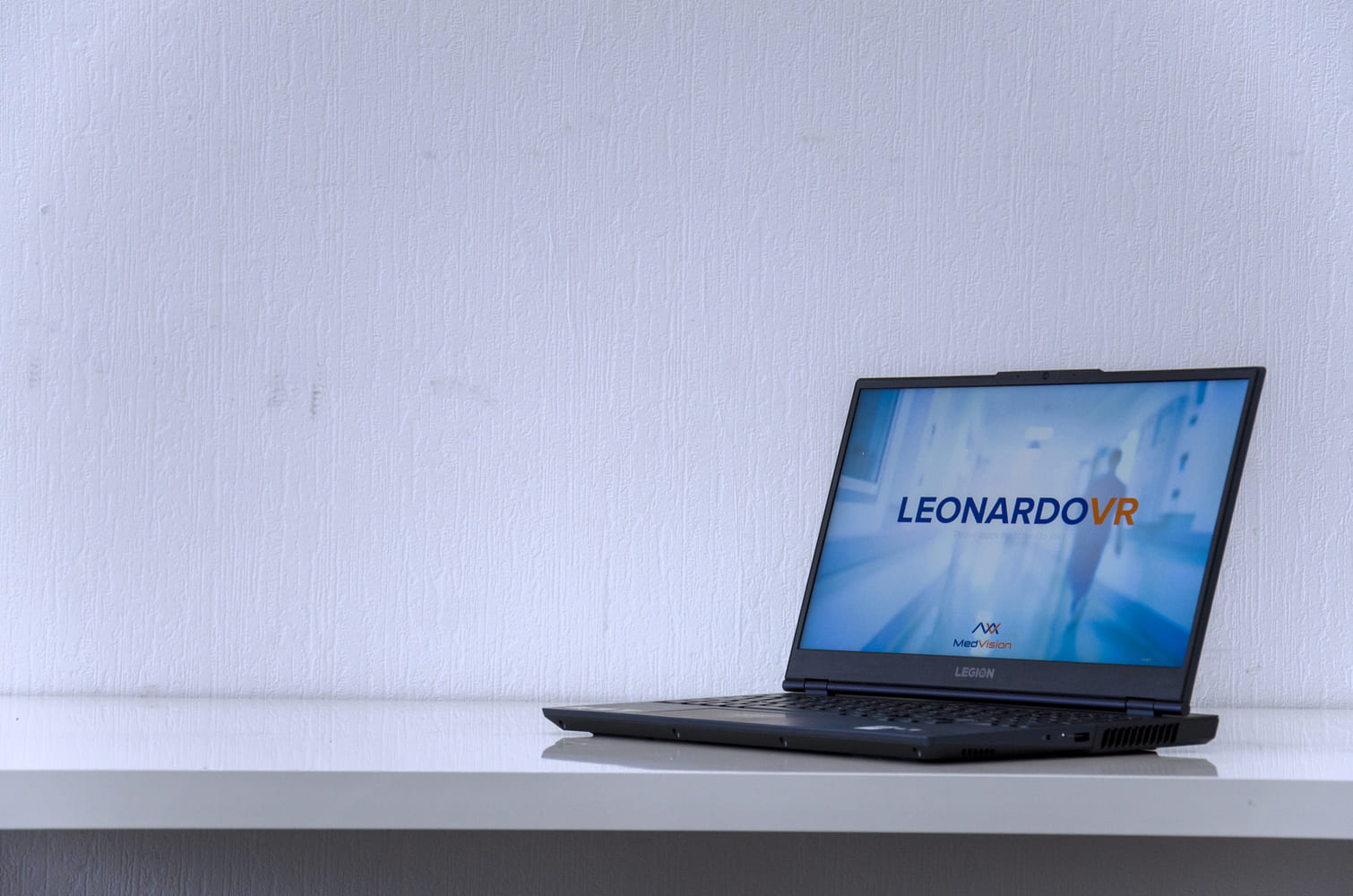
What is simulation software vs physical simulators? This comprehensive comparison evaluates digital computer programs against tangible robotic models used to simulate real-world environments. While software utilizes advanced algorithms for mathematical modeling, a physical simulation relies entirely on tangible hardware. Understanding this dynamic is crucial for modern technical training.
Understanding the fundamental difference between these two approaches is essential for optimizing any modern educational program. Integrating these distinct simulation methods is strictly necessary for comprehensive technical preparation. A purely digital software approach is rapidly transforming how modern institutions deliver theoretical knowledge globally.
When structuring a comprehensive training pathway, facility directors must accurately evaluate which specific simulation system fits their goals. Proper utilization of both physical assets and advanced digital software fundamentally changes the landscape of global education. Administrators must carefully review the immense benefits that physical systems offer for long-term skill retention.
How does simulation software function on a modern computer?
Digital simulation software operates by processing massive amounts of data through complex mathematical algorithms on a standard computer. This advanced software can accurately simulate incredibly dangerous or highly theoretical scenarios without risking human safety. It completely removes the immediate need for expensive physical equipment during the preliminary learning phases.
The primary advantage of this digital simulation is its unparalleled scalability and instantaneous environmental variability for all users. A single digital software license allows countless students to practice complex scenarios simultaneously from entirely different geographical locations. Instructors can seamlessly alter the digital parameters within the software, forcing rapid diagnostic adaptation and deep critical thinking.
Furthermore, deploying software effectively eliminates the massive spatial footprint required by traditional physical simulation laboratories. Learners can complete comprehensive diagnostic scenarios from their dormitories using portable digital software applications on a laptop. This wide accessibility democratizes technical education, allowing continuous engagement without requiring access to an expensive physical facility.
What are the core benefits of a physical simulation system?
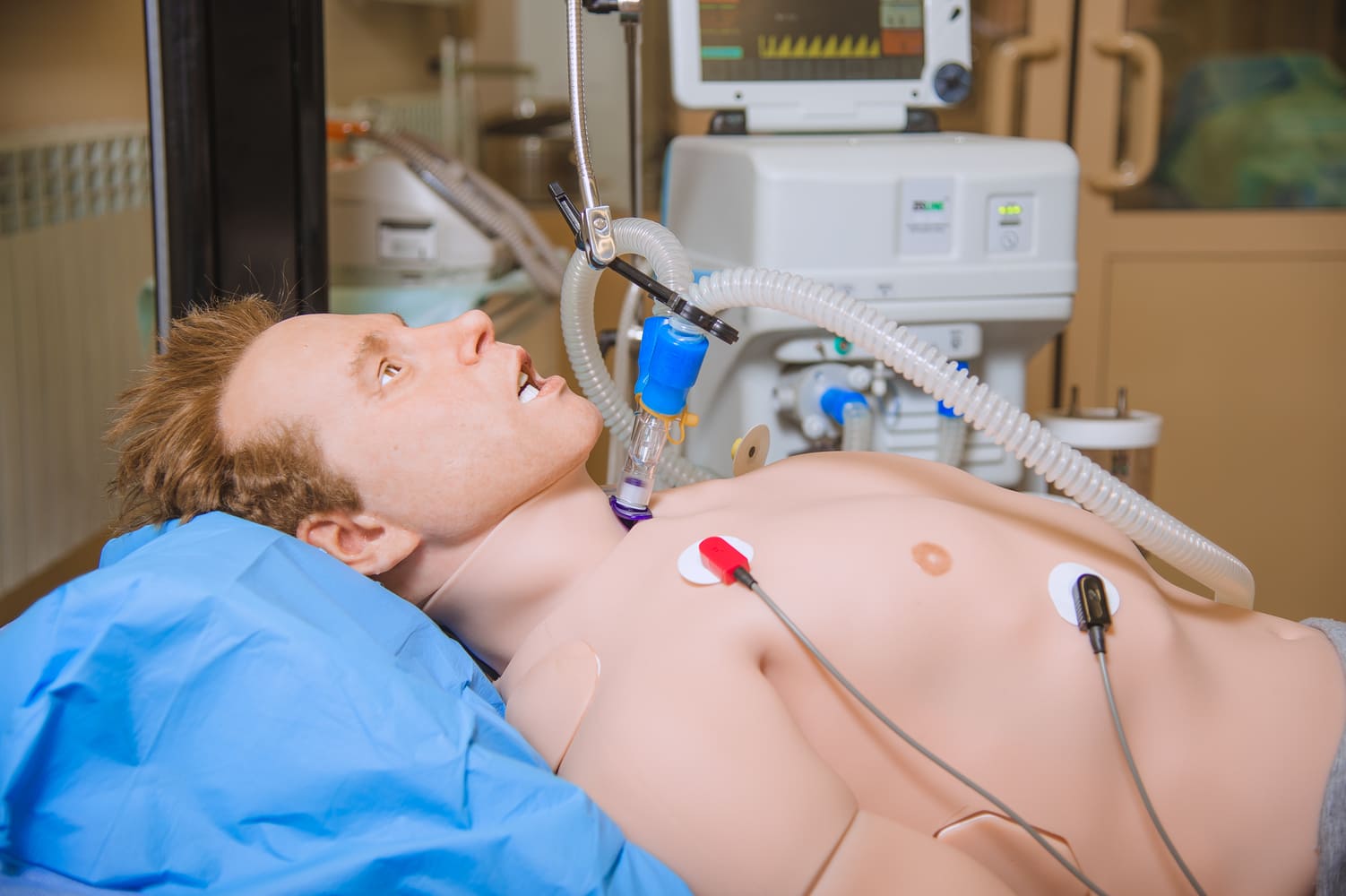
Despite the rapid advancement of digital software, traditional physical simulation remains entirely irreplaceable for specific tactile learning objectives. A standard physical simulator allows learners to actually touch, manipulate, and feel the mechanical resistance of real-world materials. This crucial tactile feedback is currently impossible to replicate entirely through a standard monitor or digital software interface.
Operating a physical simulation excels at developing the precise psychomotor skills strictly required for aggressive mechanical interventions. When a professional executes a procedure on a physical model, they experience authentic mechanical difficulty that a software algorithm cannot mimic. This repetitive physical practice directly builds critical muscle memory that translates seamlessly to real-world performance.
Common examples of specialized physical simulation tools utilized in modern training facilities frequently include the following:
- Full-body robotic manikins for comprehensive emergency drills.
- Authentic aviation cockpit replicas equipped with functional physical dials.
- Tangible engineering rigs used to test heavy mechanical stress limits.
- Interactive surgical trainers for precise operative and tactile learning.
Why choose physical models over digital software applications?
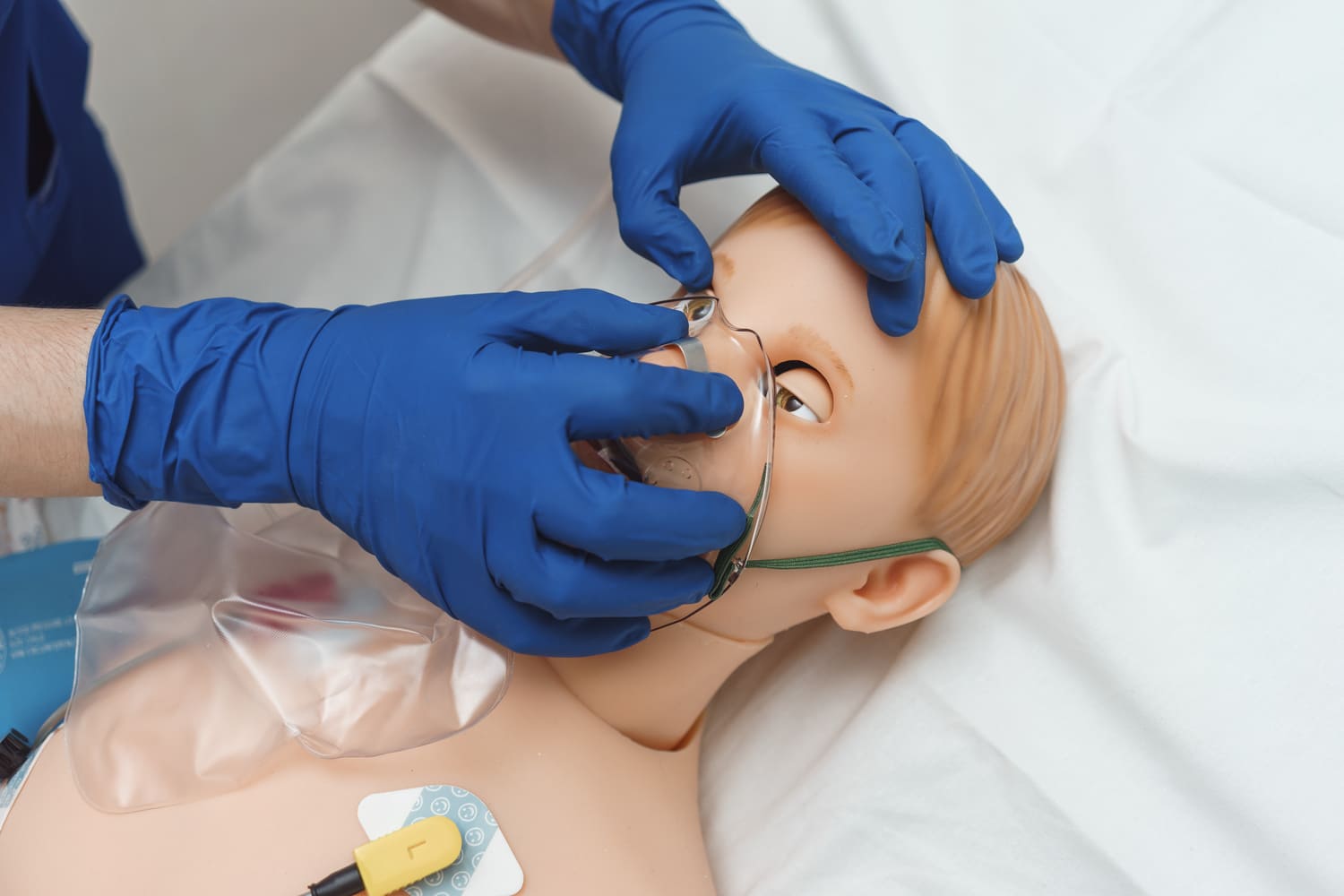
Choosing a physical simulator over digital software depends entirely on whether the curriculum demands strict hands-on manipulation. If a student must learn the precise pressure required to weld a joint, physical simulation is mandatory. Digital software strictly teaches your brain how to think, but a physical tool effectively teaches your hands what to do.
Is an emulator the exact same as simulation software?
While often confused, an emulator and simulation software serve distinct technical purposes within the broader technology landscape. An emulator is designed to completely replicate the internal hardware architecture of a specific legacy system on a modern computer. In contrast, true simulation software aims to replicate the external behavior or theoretical outcomes of a dynamic system.
To accurately design these complex programs, developers must focus entirely on mathematical precision rather than exact hardware replication. This distinction is critical when administrators decide to create a new digital training curriculum for their technical staff. Relying on an emulator might limit the scope of the training, whereas dedicated simulation software offers infinite procedural variables.
How do professionals design an effective physical and software curriculum?
Successful integration demands matching the correct simulation tools directly to the specific academic objectives defined by the facility. A meticulously planned curriculum avoids relying solely on the most expensive piece of physical hardware or complex digital software. Instead, it deploys the exact simulation method that aligns best with the desired mechanical or clinical competency outcomes.
For example, instructing theoretical decision-making does not necessitate a high-fidelity physical robotic manikin. Conversely, preparing a surgical unit for crisis resource management demands highly immersive, hands-on physical simulation practice. Strategic selection guarantees that valuable institutional resources — both digital software and physical assets — are utilized efficiently and sustainably over time.
According to authoritative sources like the IEEE Transactions on Learning Technologies, blending both methodologies yields the highest retention rates. The seamless integration of hybrid simulation truly represents the absolute pinnacle of modern technical education globally. By connecting authentic physical interaction with precise digital software analytics, facilities deliver a profoundly effective learning experience.
Can you create a hybrid simulation environment effectively?
Yes, combining physical simulation with virtual digital software creates a deeply engaging, highly realistic hybrid training environment. By wearing an augmented headset while interacting with a physical model, learners receive the best of both educational methodologies simultaneously. They feel the physical resistance while seeing dynamic digital symptoms superimposed accurately via the integrated computer software.

Which simulation method offers better financial cost efficiency?
Budget allocation remains a universally critical factor for any modern institution aiming to expand its dedicated simulation capabilities. Purchasing a top-tier physical model requires a massive initial capital expenditure, often exceeding hundreds of thousands of dollars. In stark contrast, deploying a fleet of software licenses represents a significantly lower financial barrier for most educational facilities.
When evaluating the long-term return on investment, administrators must meticulously calculate all ongoing maintenance costs for the simulation center. A physical hardware unit degrades rapidly under heavy mechanical stress, necessitating highly expensive replacement parts and specialized labor. Meanwhile, simulation software systems primarily require annual digital subscriptions and occasional updates to the host computer for sustainability.
This financial efficiency makes digital software incredibly attractive for rapidly expanding university programs equipped with limited operational capital. By shifting preliminary observational training into a software environment, schools conserve valuable disposable physical resources. Traditional training relies heavily on single-use items, which quickly drains departmental budgets during live physical simulation exercises.
FAQ
The core difference is that simulation software operates digitally on a computer to replicate theoretical scenarios and cognitive tasks. Conversely, a physical simulator is a tangible, mechanical device designed to replicate authentic tactile feedback and hands-on psychomotor skills for professionals.
Yes, digital software is generally much more cost-effective to scale and maintain over long operational periods. A physical simulator requires dedicated laboratory space, climate control, and frequent replacement of mechanical parts due to repetitive physical wear and tear.
No, an emulator strictly replicates the internal hardware architecture of an older computing system perfectly. True simulation software focuses on replicating external behaviors and complex mathematical modeling to simulate dynamic, real-world environments and realistic clinical outcomes.
Virtual demo
See it on a real simulator
A MedVision specialist shows the simulator live and answers your questions. Remote setup included · Online Training Included.
Request a virtual demo