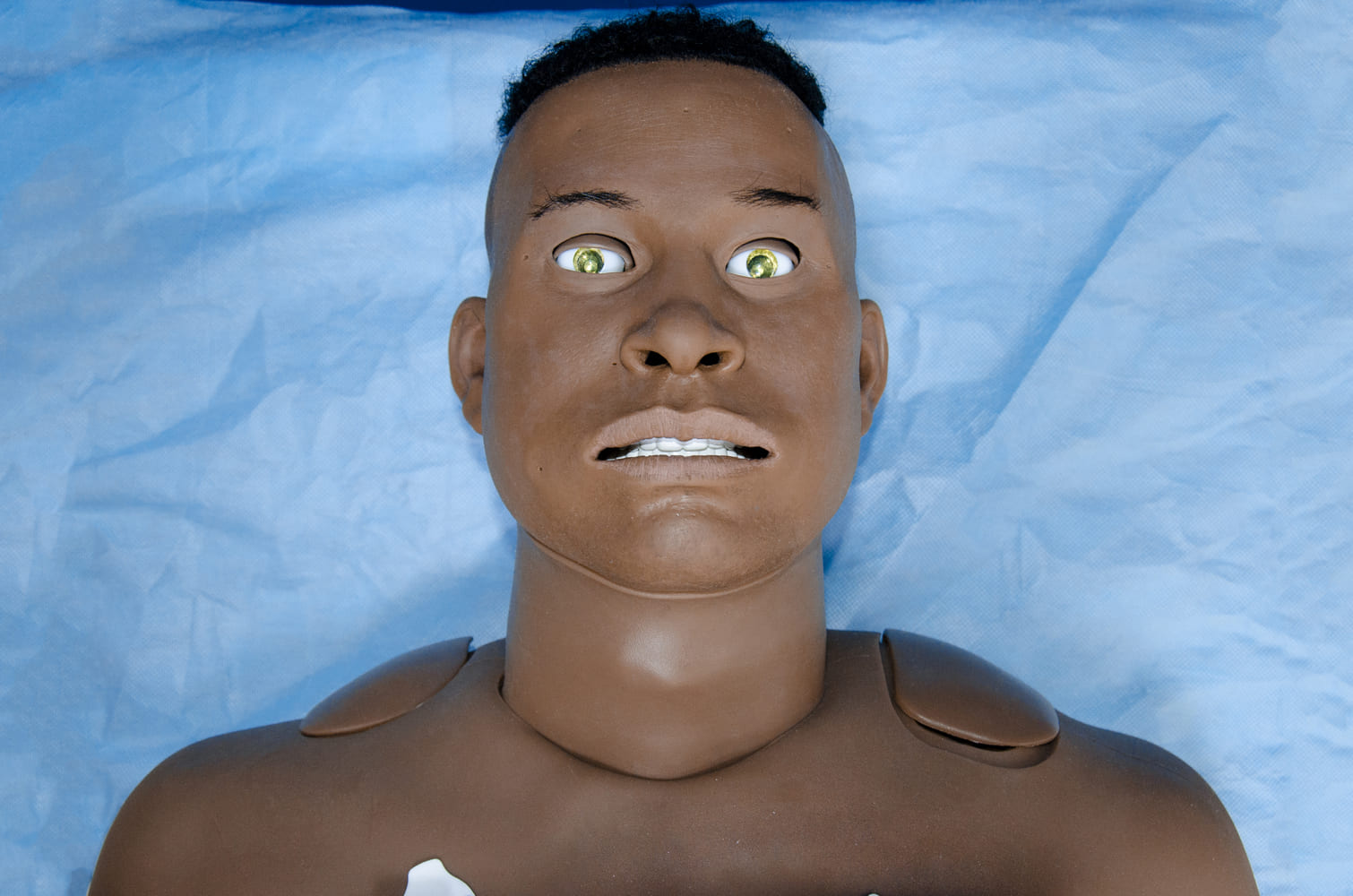
Cover image: Designed by Freepik - Magnific.com.
What is AI and medical diagnosis? This concept defines the integration of advanced AI algorithms to evaluate clinical data, identify disease patterns, and formulate an accurate diagnosis. In modern medicine, utilizing an AI allows practitioners to process vast amounts of health information instantly. Artificial intelligence is increasingly being used to support medical diagnosis by analyzing clinical data, medical images, laboratory results, and other health information. Rather than replacing clinical judgment, many AI-based tools are designed to help healthcare professionals identify patterns, prioritize cases, and make more informed decisions.
When structuring a clinical pathway, facility directors must evaluate which AI software fits their specific diagnosis goals. The right algorithmic AI approach accelerates the acquisition of complex physiological insights. Proper utilization of these advanced digital AI assets fundamentally changes the landscape of global healthcare and modern medical diagnosis practice

What is the definitive role of AI in medical diagnosis today?
The primary role of AI in medical diagnosis is to serve as an ultra-precise, data-driven secondary consultant for human clinicians. An AI excels at identifying microscopic anomalies in patient data that the human eye might easily overlook during a routine diagnosis. This collaborative relationship ensures that a medical professional can make the most informed, highly accurate clinical diagnosis possible. In standard hospital settings, integrating diagnostic AI tools helps reduce cognitive overload and minimizes human error. Rather than replacing doctors, AI data processing allows physicians to focus entirely on patient care and complex clinical reasoning.
How can medical education prepare clinicians to work with AI?
Before healthcare professionals can effectively use advanced technology in real hospital settings, they need comprehensive training in a risk-free environment. Medical education relies heavily on simulation and virtual patient platforms to bridge the gap between theory and clinical practice. This is where educational tools like MedVision AI Body become essential. As a dedicated simulation platform, it allows learners to interact with virtual patients, practice clinical communication, and develop diagnostic reasoning without any risk to actual patients. By integrating such advanced simulation tools into the curriculum, educators ensure that future clinicians are fully prepared and confident when they transition to real-world medical challenges.
How does the use of AI in medical diagnosis improve speed?
Integrating the direct use of AI in medical diagnosis drastically reduces the time a patient spends waiting for a confirmed diagnosis. A sophisticated AI can instantly cross-reference new patient data against millions of previously documented global cases. This incredible AI computational speed is fundamentally transforming how modern medicine handles a critical, time-sensitive emergency diagnosis.
By automating preliminary screening tasks, an AI liberates doctors to focus entirely on human interaction and the final diagnosis. The digital AI handles the complex mathematical analysis of blood panels and genetic markers seamlessly in the background. Consequently, the actual human physician can dedicate significantly more time to explaining the comprehensive AI-assisted diagnosis to the anxious patient.
How do we determine the best AI medical diagnosis platforms?
Identifying the best AI medical diagnosis software requires rigorously testing the algorithm's accuracy across diverse demographic datasets. A truly superior platform must consistently demonstrate that it does not harbor hidden racial, gender, or socioeconomic biases. Furthermore, the top-tier algorithms are consistently cited in reputable, peer-reviewed journals like Nature Medicine for their unparalleled clinical precision.
The most effective digital tools seamlessly integrate into existing electronic health record systems without causing administrative friction. If an AI requires doctors to perform tedious duplicate data entry, it actively hinders the clinical workflow. Therefore, the absolute best medical software operates invisibly in the background, offering critical insights precisely when the physician needs them most.
Evaluating the effectiveness of different algorithmic methods involves analyzing the measurable reduction of clinical errors over time. Extensive academic research consistently demonstrates that machine-learning-based learning and screening enhances overall patient safety. Ultimately, high-quality digital medicine literally saves countless human lives annually.

What is a proper medical diagnosis system in AI?
A true medical diagnosis system in AI is an interconnected network of data sensors, cloud processors, and highly intuitive user interfaces. This complex digital architecture ingests raw patient telemetry — such as continuous heart rate or blood oxygen levels — in real-time. The AI then filters this massive data stream through complex mathematical models to detect early warning signs of physical deterioration.
These comprehensive digital architectures frequently include the following core technological components:
- Secure cloud storage for immense volumes of encrypted patient data.
- Deep learning neural networks trained on vast, global clinical databases.
- Intuitive dashboard interfaces designed explicitly for busy physicians.
- Automated alert systems that flag critical abnormalities instantly.
To effectively maximize the lifespan and utility of these tools, strict data hygiene protocols must be enforced at all times. Corrupted or poorly formatted input data easily degrades the predictive capabilities of even the most advanced AI. Regular digital maintenance is entirely essential to keep the equipment safe, accurate, and functional for all users.
Why is AI based medical diagnosis revolutionizing oncology?
The deployment of AI based medical diagnosis is currently achieving its most spectacular, life-saving successes within the field of oncology diagnosis. Detecting cancer at its absolute earliest stage using an AI is the critical key to ensuring long-term patient survival. Modern algorithmic AI models can routinely identify malignant cellular changes for a proactive diagnosis months, or even years, before a traditional human biopsy would.
This highly advanced AI approach enabling early diagnosis prevents the necessity of overly aggressive, highly toxic chemotherapy treatments later. When a digital AI accurately flags a precancerous lesion during a routine diagnosis, surgeons can remove it through minor procedures. This proactive AI-driven clinical strategy drastically improves the overall quality of life for the affected patient.
Operating an incredibly complex AI diagnosis system requires dedicated server space and specialized technical education for the hospital faculty. A well-maintained digital AI unit provides an unparalleled level of clinical authenticity and precision for interprofessional medical teams. Ultimately, this immersive AI diagnosis technology bridges the gap between laboratory research and a real hospital diagnosis.

How does medical diagnosis using AI impact radiology?
The implementation of medical diagnosis using AI has completely transformed the daily workflow of modern radiology departments globally. Historically, radiologists suffered from immense visual fatigue after manually reviewing hundreds of complex X-rays and MRI scans daily. Today, an AI pre-screens these complex images, instantly highlighting suspicious areas with brightly colored digital bounding boxes for review.
This collaborative digital workflow ensures that the human radiologist focuses their expertise strictly on the most complex, ambiguous medical cases. The AI easily filters out completely healthy scans, drastically accelerating the overall departmental throughput and efficiency. This seamless human-machine synergy represents the absolute pinnacle of modern, technologically enhanced medicine.
When older analog models can no longer support modern diagnostic protocols, their overall educational and clinical value plummets. Continuing to use outdated technological tools can severely limit the readiness of students preparing for fast-paced clinical environments. Upgrading to advanced, algorithmic medical software is always the most logical, scientifically sound administrative choice.
What are the ethics of AI in healthcare diagnosis?
Integrating AI in healthcare diagnosis raises several profound ethical questions regarding patient consent and ultimate legal liability. If an AI makes a highly unexpected, incorrect recommendation that harms a patient, assigning definitive legal blame becomes incredibly complex. Regulatory requirements vary by jurisdiction and by the intended use and risk classification of the AI system. In responsible clinical implementation, healthcare professionals should understand when and how human oversight is required and who remains accountable for patient-care decisions.
Building enduring, long-term public trust requires absolute transparency regarding how an algorithm reaches its complex mathematical conclusions. When a provider utilizes machine learning to suggest a treatment, the internal logic must be easily read and explainable. A totally opaque digital algorithm that offers no clinical reasoning cannot be considered a responsible medical tool.
Institutions that actively invest in comprehensive digital service contracts report significantly fewer unexpected downtimes during critical patient exams. Knowing that your algorithmic machinery is protected allows educators and doctors to focus entirely on curriculum and care delivery. Ultimately, a well-structured technological plan maximizes the return on investment and ensures a highly productive operational phase.
Will algorithmic software replace human physicians?
The integration of artificial intelligence is currently transforming the baseline capabilities of every modern clinical diagnosis, but it will not replace doctors. Advanced algorithms can dynamically alter patient care plans based on ongoing data, but they completely lack human empathy. This means that no digital software can hold a patient's hand or deliver difficult news with genuine compassion.
Furthermore, AI-driven digital software can automatically adapt the clinical difficulty level to match the specific physiological profile of the user. If a patient exhibits rare symptoms, the system seamlessly introduces confounding variables to test deeper critical thinking by the doctor. Such personalized digital pathways represent the undeniable future of advanced healthcare and clinical training methodologies.
These intelligent algorithmic systems also include automated assessment features that instantly generate highly comprehensive clinical performance reports. By drastically reducing the overwhelming administrative burden on instructors, faculty members can dedicate more time to personalized medical mentorship. Ultimately, the fusion of AI and clinical practice will continuously elevate the global standards of patient care.

FAQ
The primary objective is to deploy an AI that is safe, highly ethical, and entirely free from inherent biases. A strictly monitored digital approach guarantees that algorithmic medical tools enhance clinical outcomes while strictly protecting individual privacy.
An AI can rapidly analyze complex images and vast historical datasets to instantly identify subtle disease markers. By highlighting these anomalies early, it assists clinical professionals in formulating a faster, significantly more accurate diagnosis for the patient.
No. These advanced medical systems are designed strictly to augment, not replace, human clinical expertise in medicine. Final decisions must always remain with highly qualified human providers to ensure empathetic, context-aware, and completely safe patient care.
Virtual demo
See it on a real simulator
A MedVision specialist shows the simulator live and answers your questions. Remote setup included · Online Training Included.
Request a virtual demo