

MATT Auscultation Trainer
MATT brings realistic heart, lung, and bowel sound assessment to life. It combines high-fidelity auscultation sounds, anatomical landmarks, visual guidance, palpable surface anatomy, and clinical context to develop the listening, examination, and interpretation skills used in clinical auscultation.
.avif)
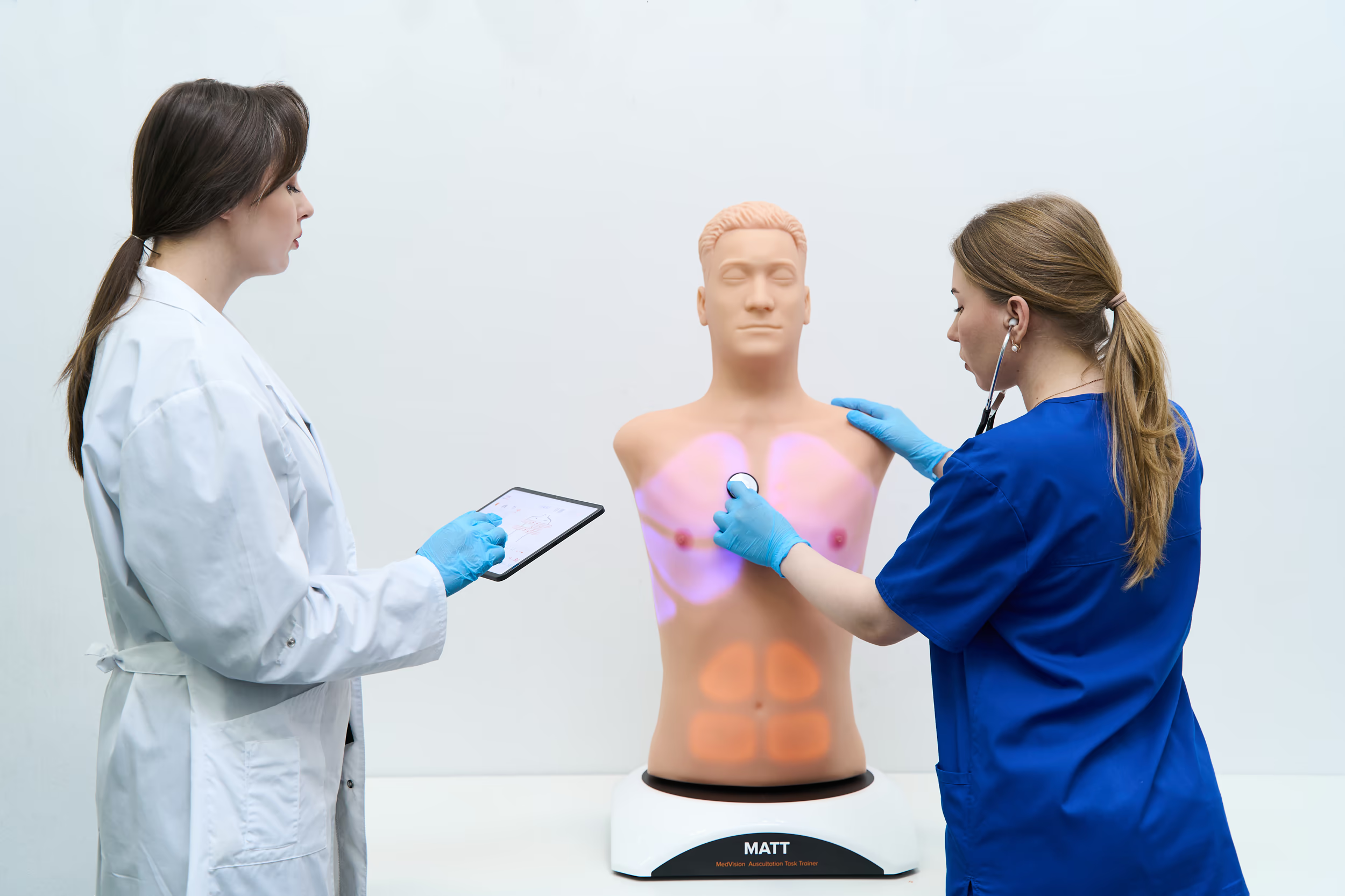

More than sound recognition
Learners must understand where to listen, how sounds present during examination, and what they mean in clinical context.
Developing auscultation skill means moving beyond isolated recognition of heart, lung, and bowel sounds. MATT creates an integrated learning experience that connects sound, anatomy, touch, and clinical context.
Learners locate sounds accurately, examine each region systematically, and interpret what they hear in clinical context.
Heart and lung sounds as they exist in the patient
The result is a more realistic and intuitive auscultation experience: learners understand not only what a sound is, but where and how it presents during physical examination.
- Engineered acoustic pathwaysThorax Acoustics recreates the cardiopulmonary acoustic environment within the thorax.
- Sounds change from site to siteAs learners move across the chest, cardiac sounds shift in character and intensity.
- One soundscapeHeart and lung sounds coexist naturally across the chest, as they do in the patient.

Hear it. See it. Feel it. Understand it.
By combining auditory, visual, spatial, and tactile information, MATT moves auscultation beyond sound recognition.
Hear
An extensive library of normal and abnormal heart, lung, and bowel sounds, isolated or combined in one integrated examination.
See
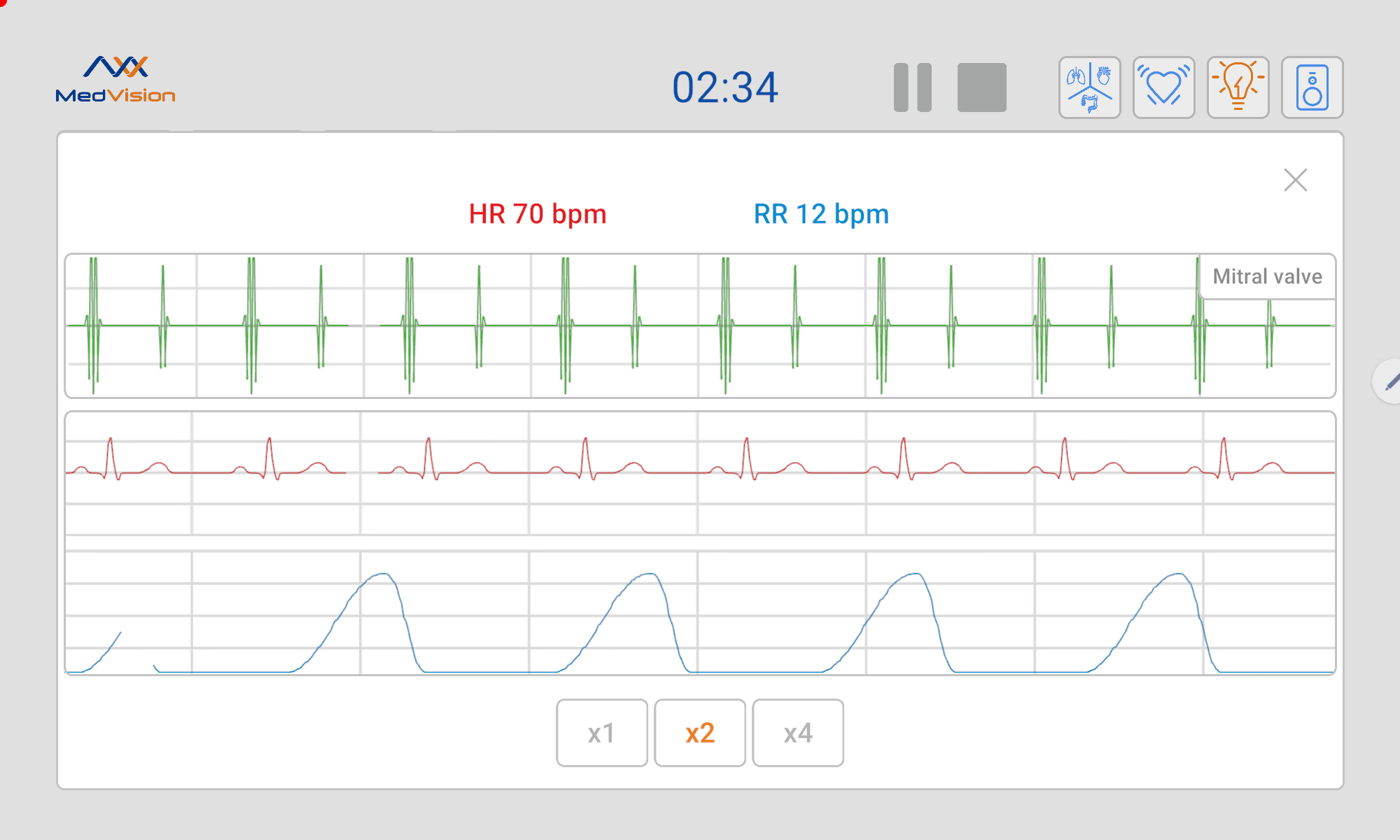
An illuminated Anatomy Map, ECG waveforms, and respiratory curves connect what learners hear with what they see.
Feel
Lifelike skin, palpable ribs, surface landmarks, and bilateral carotid pulses synchronized with cardiac sounds.
Understand
What learners hear, where and how sounds present during examination, and what they mean in clinical context.
Cardiac, pulmonary & abdominal auscultation
Teach each system independently, or bring heart, lung, and bowel sounds together in an integrated examination.
- Cardiac auscultation
Heart sounds at five key sites—aortic, pulmonic, Erb’s point, tricuspid, and mitral—with character and intensity changing by location. Isolated, combined with pulmonary sounds, or synchronized with bilateral carotid pulses.
- Pulmonary auscultation
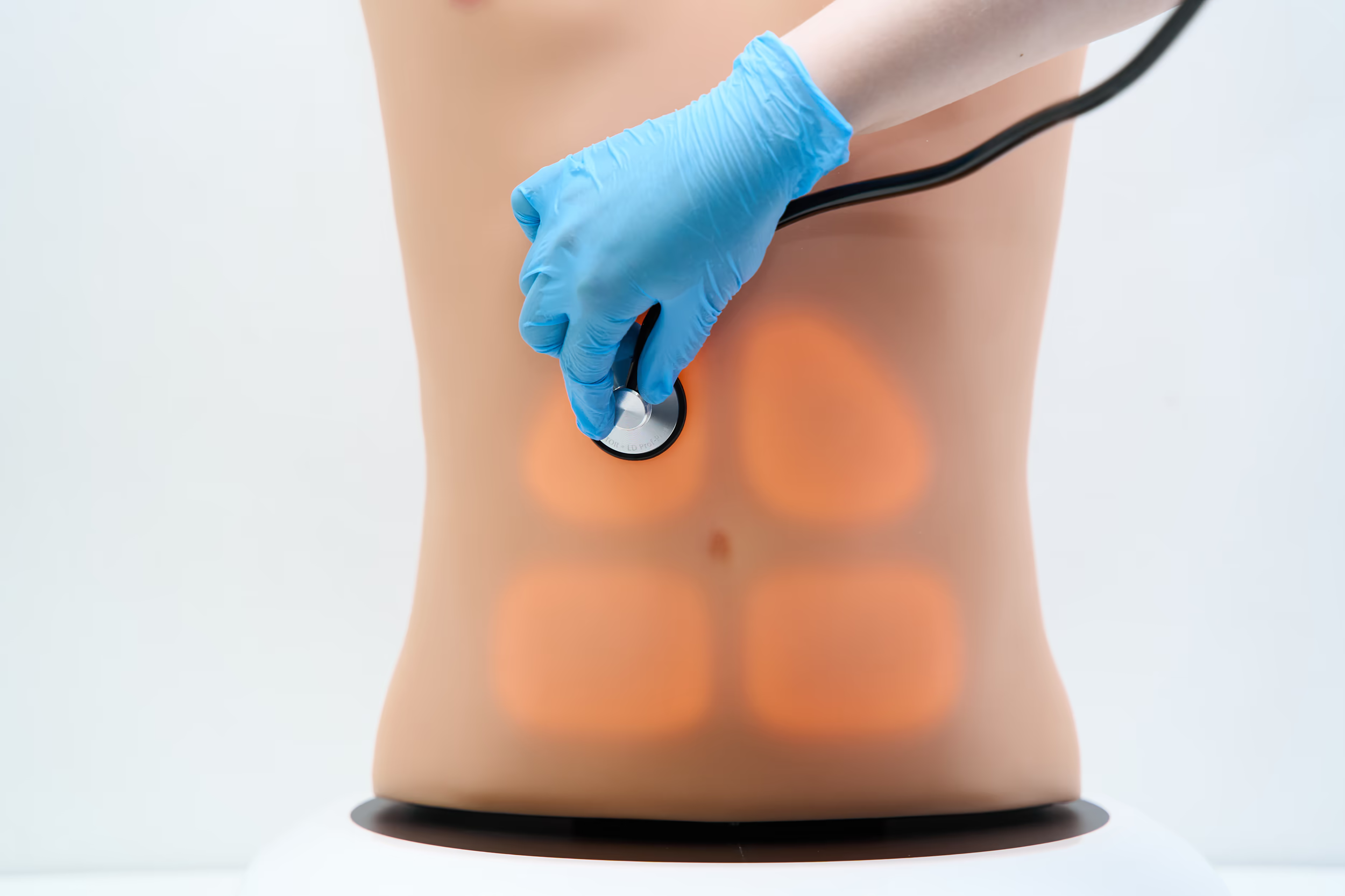
Normal and abnormal lung sounds across the lung lobes on the anterior and posterior torso, isolated or presented with concurrent cardiac sounds.
- Abdominal auscultation
Normal and abnormal bowel sounds to teach systematic auscultation across all four abdominal quadrants.


An extensive library of auscultation sounds
High-fidelity sounds for every stage of training, from introductory recognition through advanced clinical interpretation—from focused listening exercises to integrated multisystem presentations.
Heart sounds
- Normal heart sounds
- Split heart sounds
- S3 and S4 gallops
- Systolic murmurs
- Diastolic murmurs
- Clicks
- Opening snaps
- Pericardial rubs
- Valve abnormalities
- and more
Lung sounds
- Normal breath sounds
- Diminished breath sounds
- Rhonchi
- Coarse crackles
- Fine crackles
- Stridor
- Wheezes
- Pleural friction rubs
- Asthma
- COPD
- Pneumonia
- Pulmonary edema
- Pneumothorax
- and more
Abdominal sounds
- Normal bowel sounds
- Hyperactive
- Hypoactive
- Borborygmi
- Peritoneal friction rubs
- Renal artery bruits
- Gastrointestinal conditions
.avif)
See the anatomy. Feel the landmarks.
Anatomy becomes the terrain of the examination—not a diagram studied apart from it.
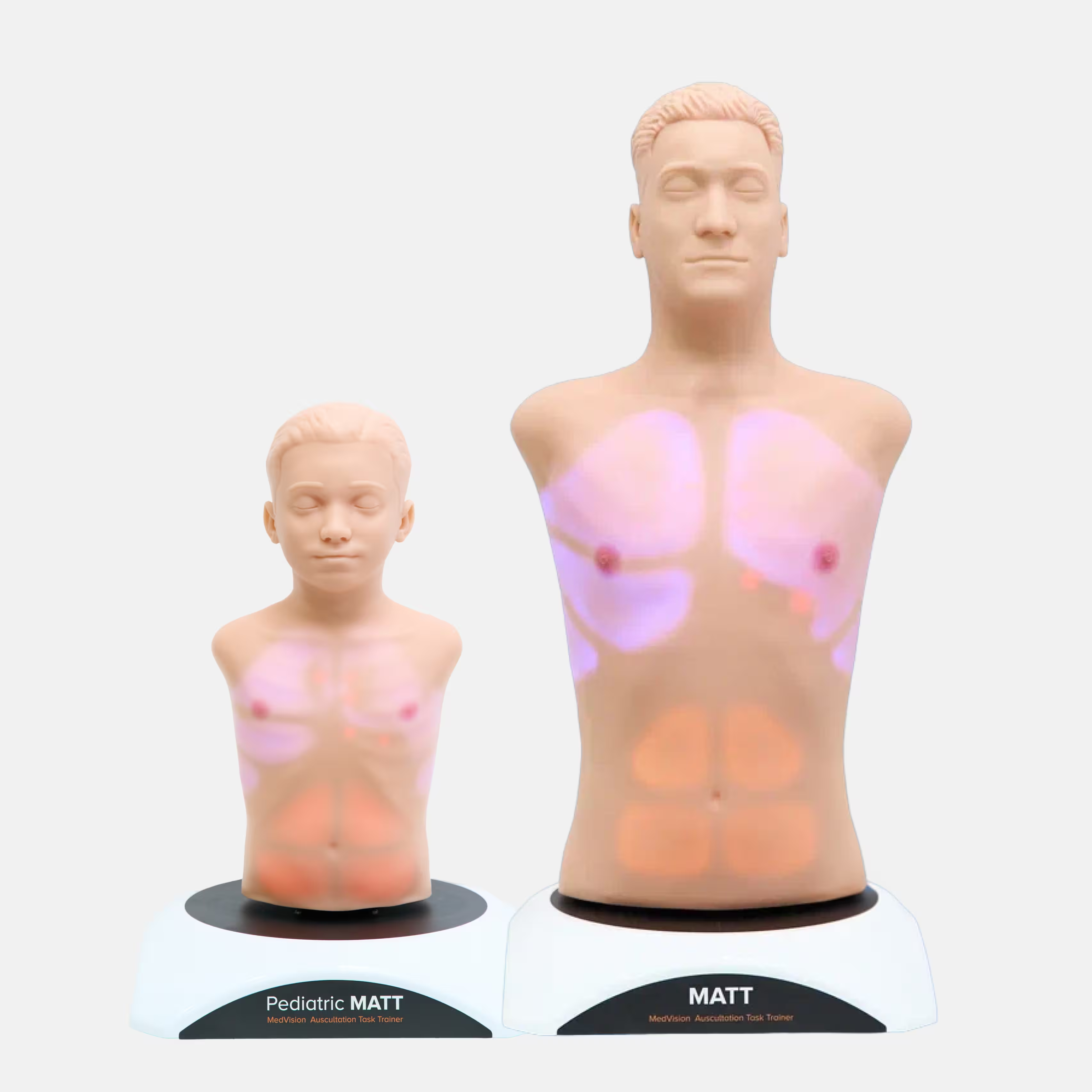
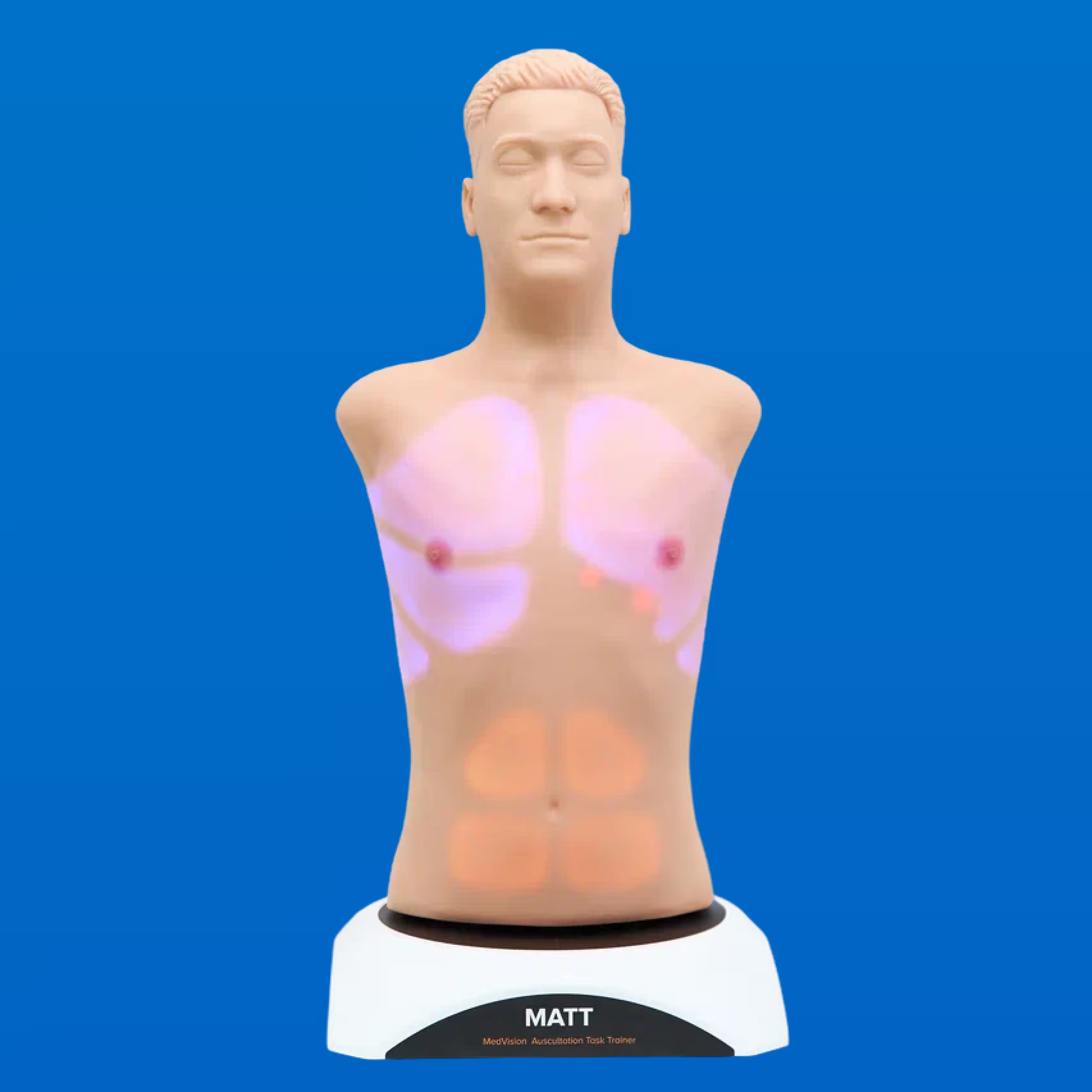
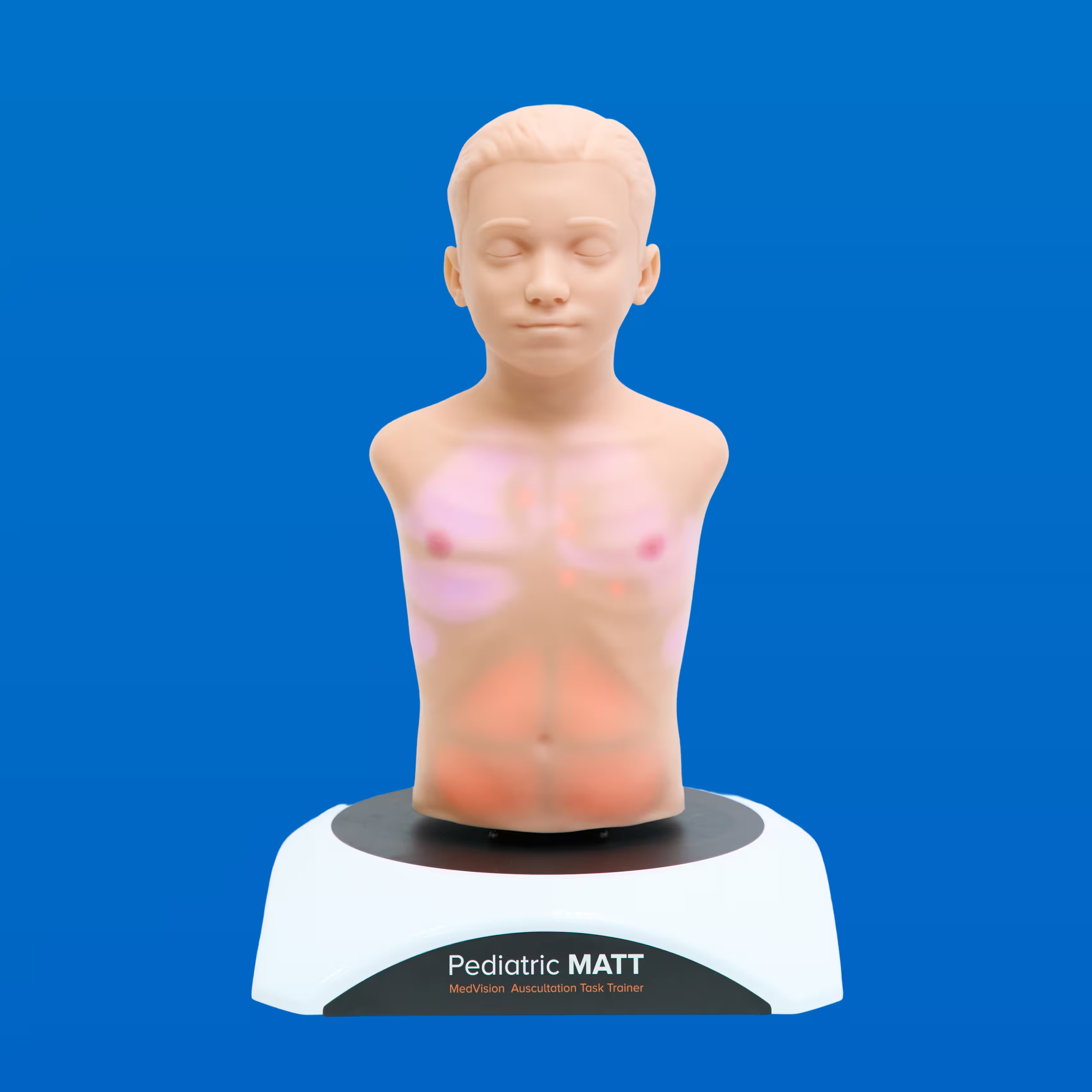
MATT illuminates heart auscultation sites, lung lobes and fissures, and abdominal quadrants directly through the skin. With the ribs and intercostal spaces visible and palpable, learners see where auscultation sites fall within the surface anatomy and connect visual orientation with touch.
The easy-clean skin lets instructors mark landmarks, guide placement, and support hands-on teaching and assessment.
Quick setup. Intuitive control.
A straightforward torso, tablet, and external speaker setup. The interface puts controls where instructors expect them, keeping the focus on teaching.
Select and configure heart, lung, and bowel sounds

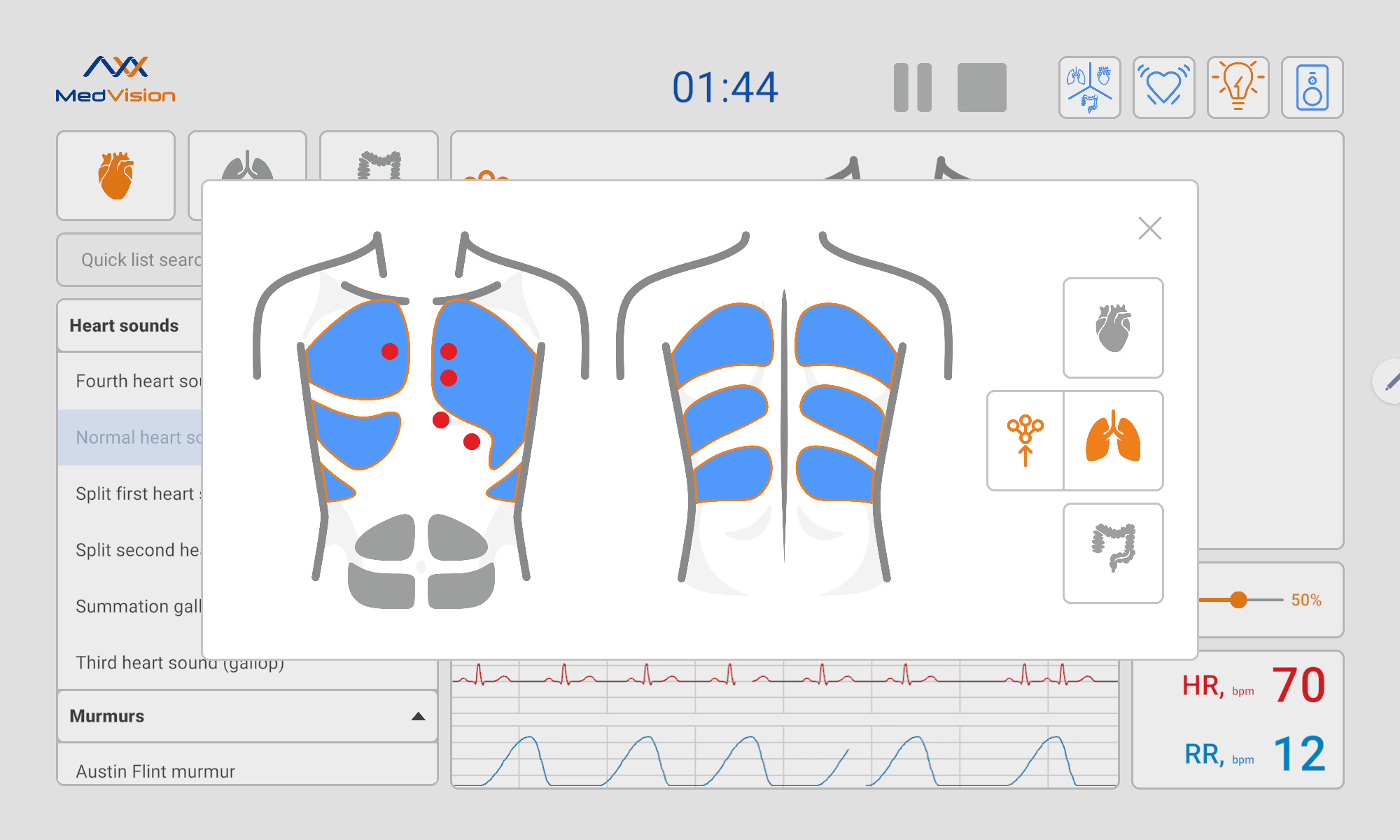
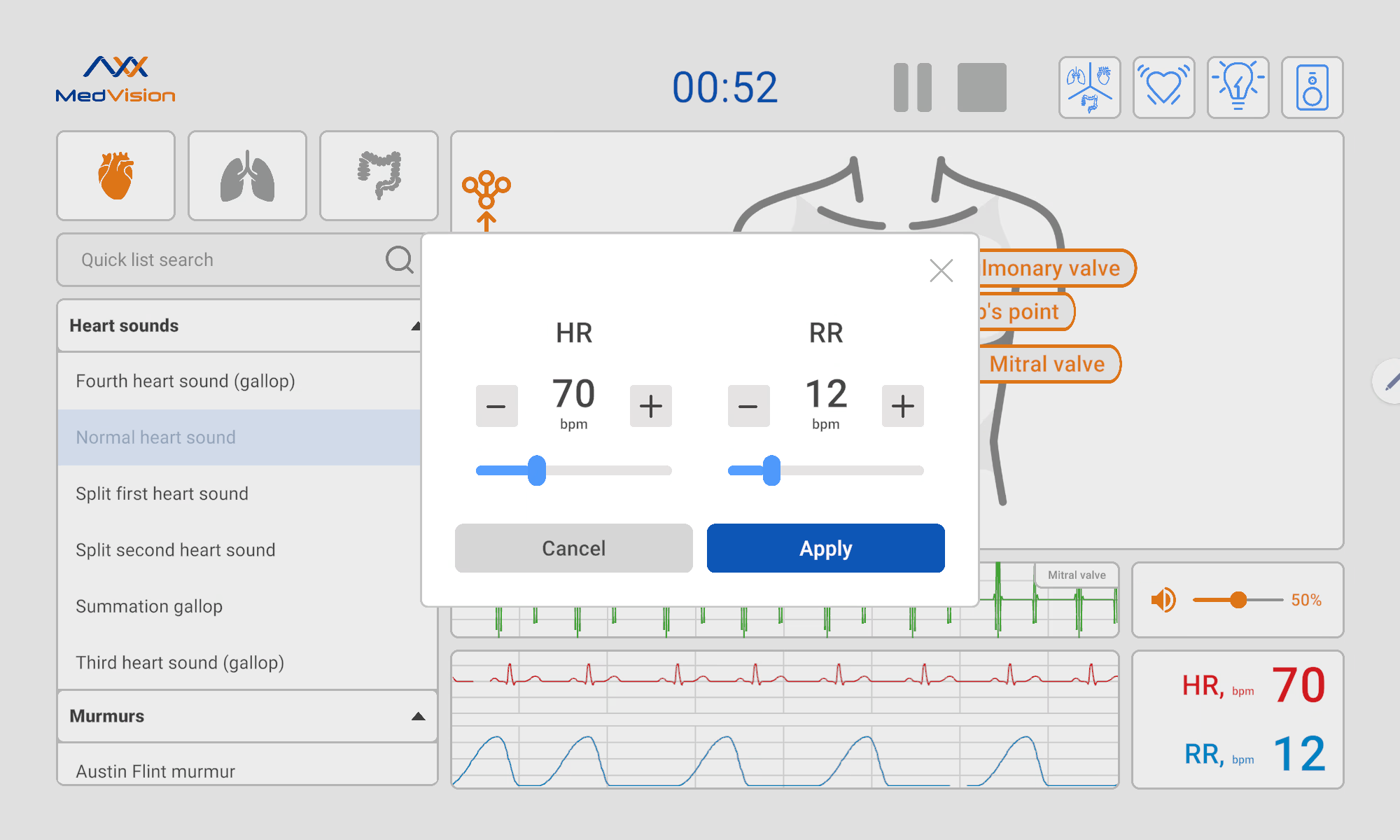


MATT trainers at the Lewis College of Nursing and Health Professions, Georgia State University
“The two MATTs we purchased have been instrumental in preparing our students for live patient interaction.”
MATT provides a visual understanding of the external pulmonary anatomy and the use of correct stethoscope placement, allowing students to grasp more complexities in later courses.
Douglas S. GardenhireInternational Initiatives
Designed for clinical education
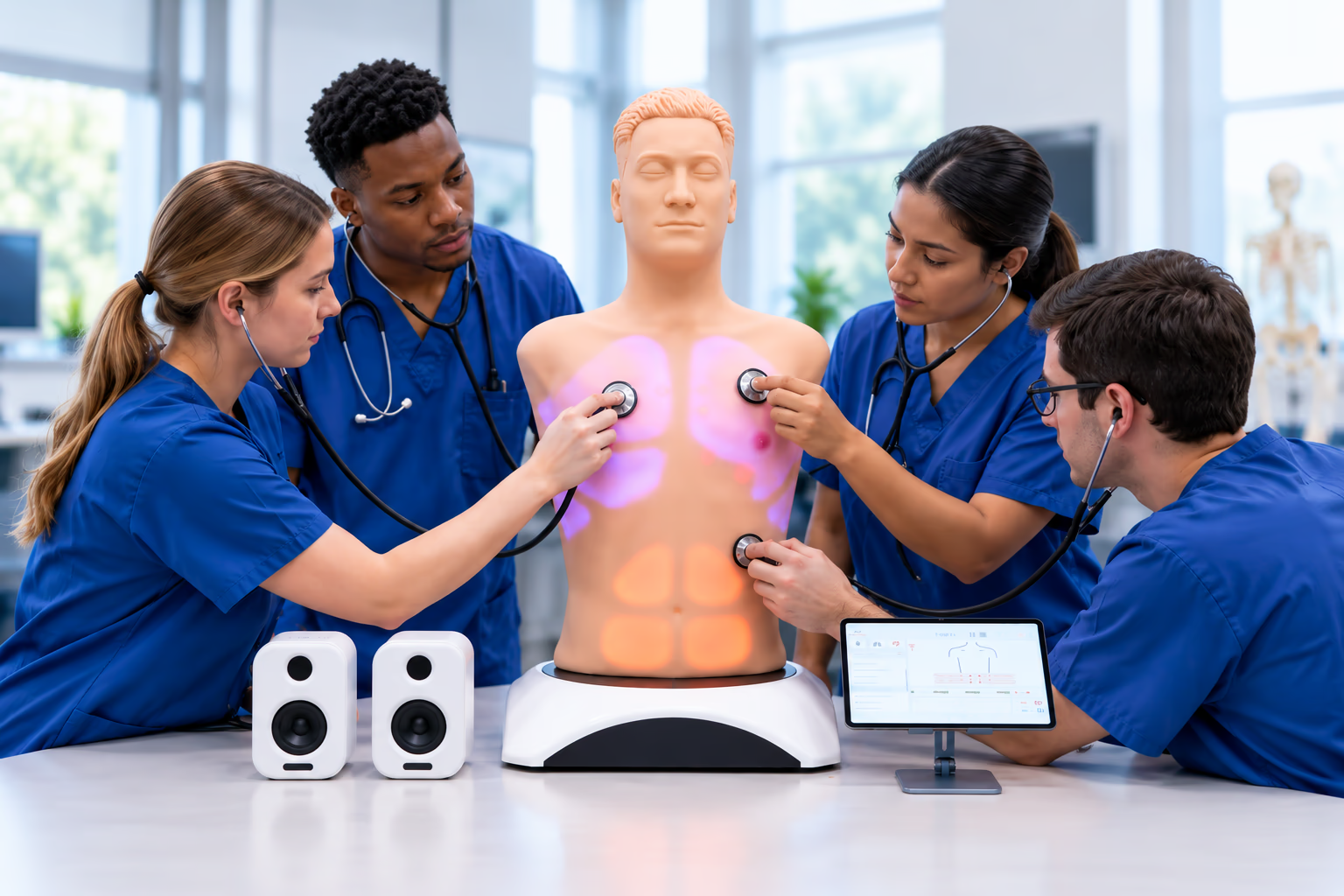
- Their own stethoscopesLearners auscultate MATT with standard stethoscopes.
- Several learners at onceMultiple learners can listen simultaneously.
- Sound for the whole roomThe external speaker supports guided listening, classroom demonstrations, and discussion.
- Medical education
- Nursing
- Respiratory therapy
- EMS
- Allied health
- CTE health sciences
- OSCE preparation
Bring realistic auscultation training to your program
Give learners the opportunity to hear, see, feel, and interpret auscultation sounds through realistic, hands-on examination.
Select MATT configurations are available in limited quantities at special pricing, while supplies last.
Check availabilityFind more simulators

- What can learners practise on MATT?
Cardiac, pulmonary, and abdominal auscultation: heart sounds at five key sites, lung sounds across the lung lobes on the anterior and posterior torso, and bowel sounds across all four abdominal quadrants — separately or together in one integrated examination.
- Can learners use their own stethoscopes?
Yes. Learners auscultate MATT with standard stethoscopes, and several learners can listen at the same time. The external speaker plays the sounds for the whole room during guided listening and demonstrations.
- What is Thorax Acoustics?
Engineered acoustic pathways inside the thorax recreate the cardiopulmonary acoustic environment. Heart and lung sounds coexist across the chest and change in character and intensity from site to site, as they do in the patient.
- What comes with MATT?
The torso, a tablet with the instructor software, and an external speaker. Remote setup, a 1-year warranty, the software, and online training are included.
- Is there a pediatric version?
Yes. MATT is available in Adult and Pediatric models.
- Who is MATT designed for?
Medical, nursing, respiratory therapy, EMS, allied health, and CTE health sciences education, as well as OSCE preparation — in classrooms, simulation centers, and clinical skills labs.
- How can I see MATT in action or get a price?
Schedule a live online demo with a MedVision product specialist, or request a quote. Select MATT configurations are currently available at special pricing while supplies last.

Patient simulators, task trainers and anatomy tables for nursing schools, hospitals and EMS programs.
Not sure which one fits your program?
Monday — Friday9:00 AM — 5:00 PM EST
14300 Carlson CircleTampa, Florida, 33626-3003, USA
W9 form (PDF)© 2026 MedVision. All rights reserved.
One quote that lists hardware, software, setup and training.
- Remote setup included
- 1-year warranty
- Software included
- Online Training Included
Something went wrong while sending. Please try again, or email us at sales@medvisiongroup.com.