

The undeniable truth about the benefits of simulation training in hospitals
Have you ever wondered what exactly are the benefits of simulation training in hospitals? In modern healthcare, it is a comprehensive educational approach where medical professionals use highly advanced, lifelike manikins and proprietary software to replicate critical clinical scenarios. This risk-free environment allows hospital staff to practice complex procedures and improve their decision-making skills without endangering real patients, ultimately transforming theoretical learning into deeply ingrained muscle memory.
When we discuss the integration of these technologies, we have to look closely at the exact tools reshaping the wards. MedVision is a global leader in medical simulation dedicated to advancing healthcare training through cutting-edge technology. By bridging the massive gap between theoretical knowledge and hands-on experience, hospitals can empower their clinicians, medical students, and educators. But how does this technology actually translate to the chaotic environment of a real emergency room or a surgical theater?
How do we measure the impact of simulation on clinical outcomes?
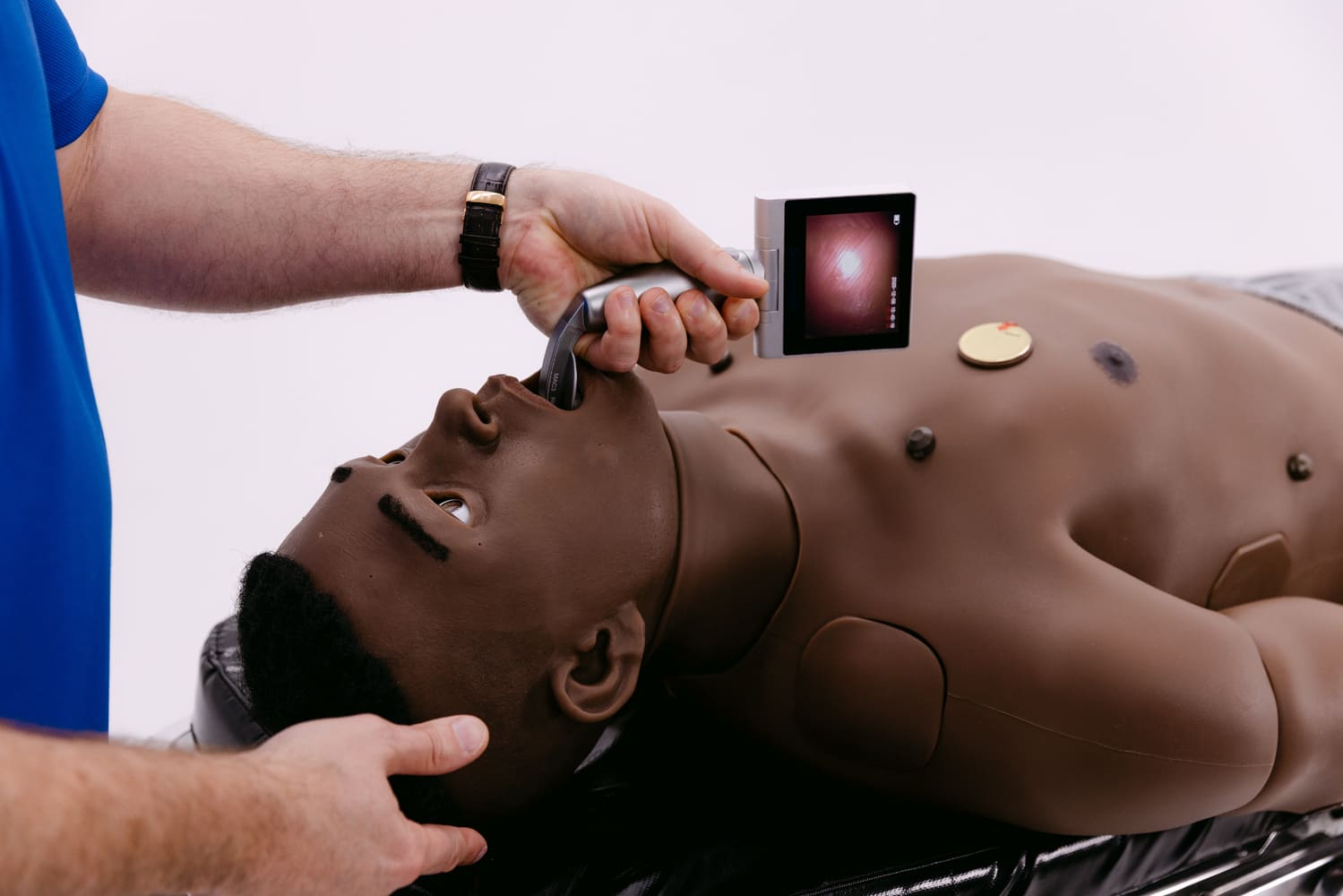
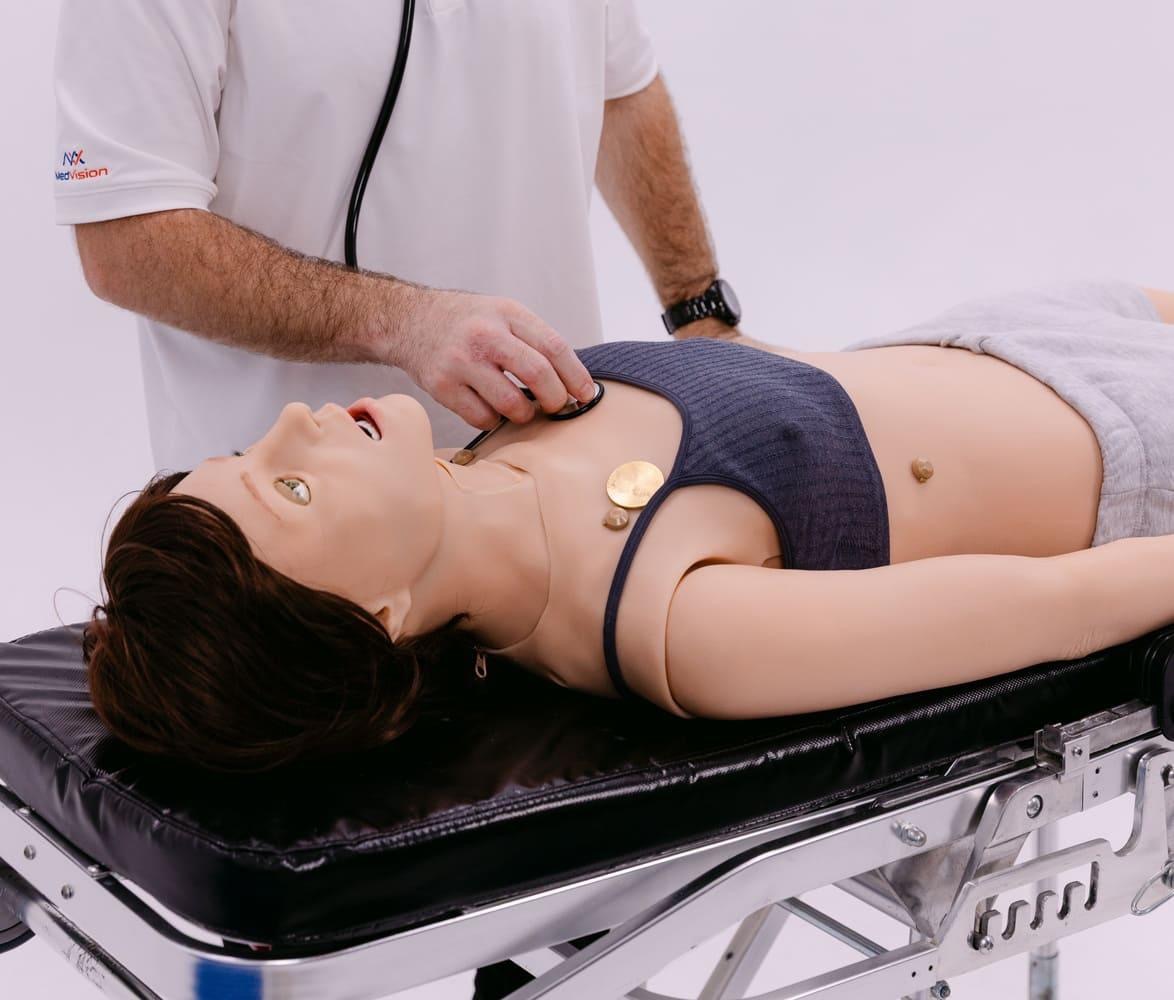
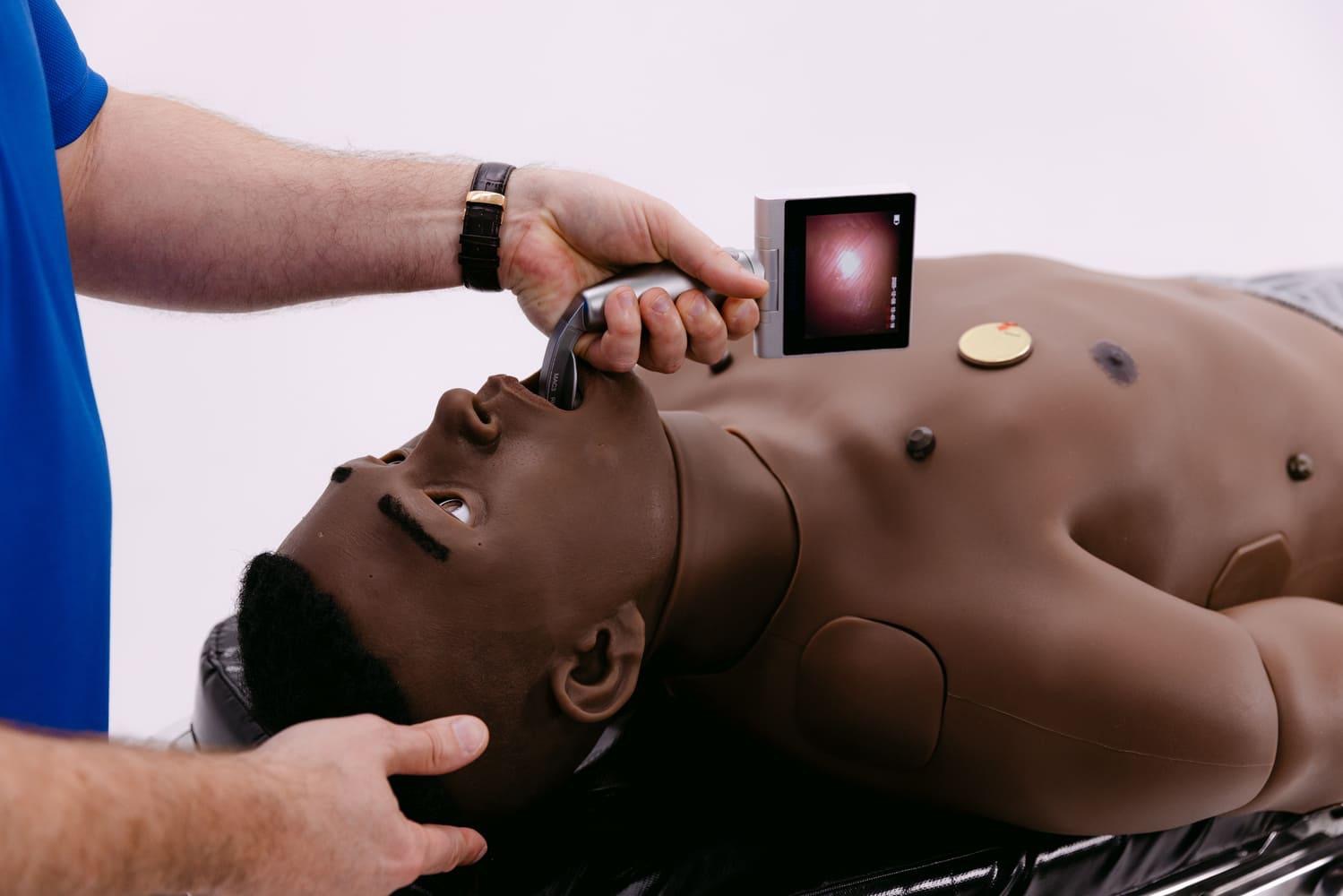
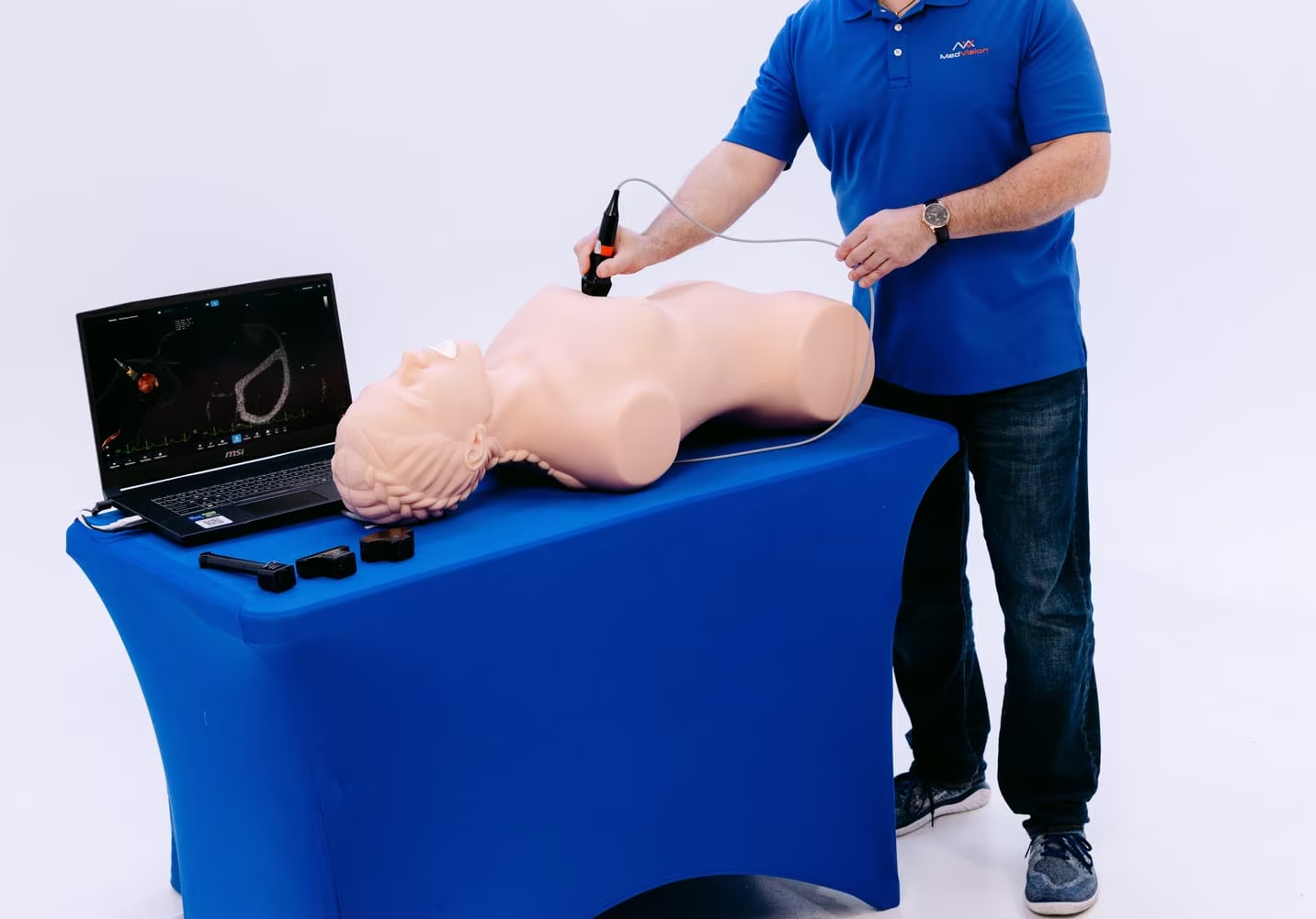
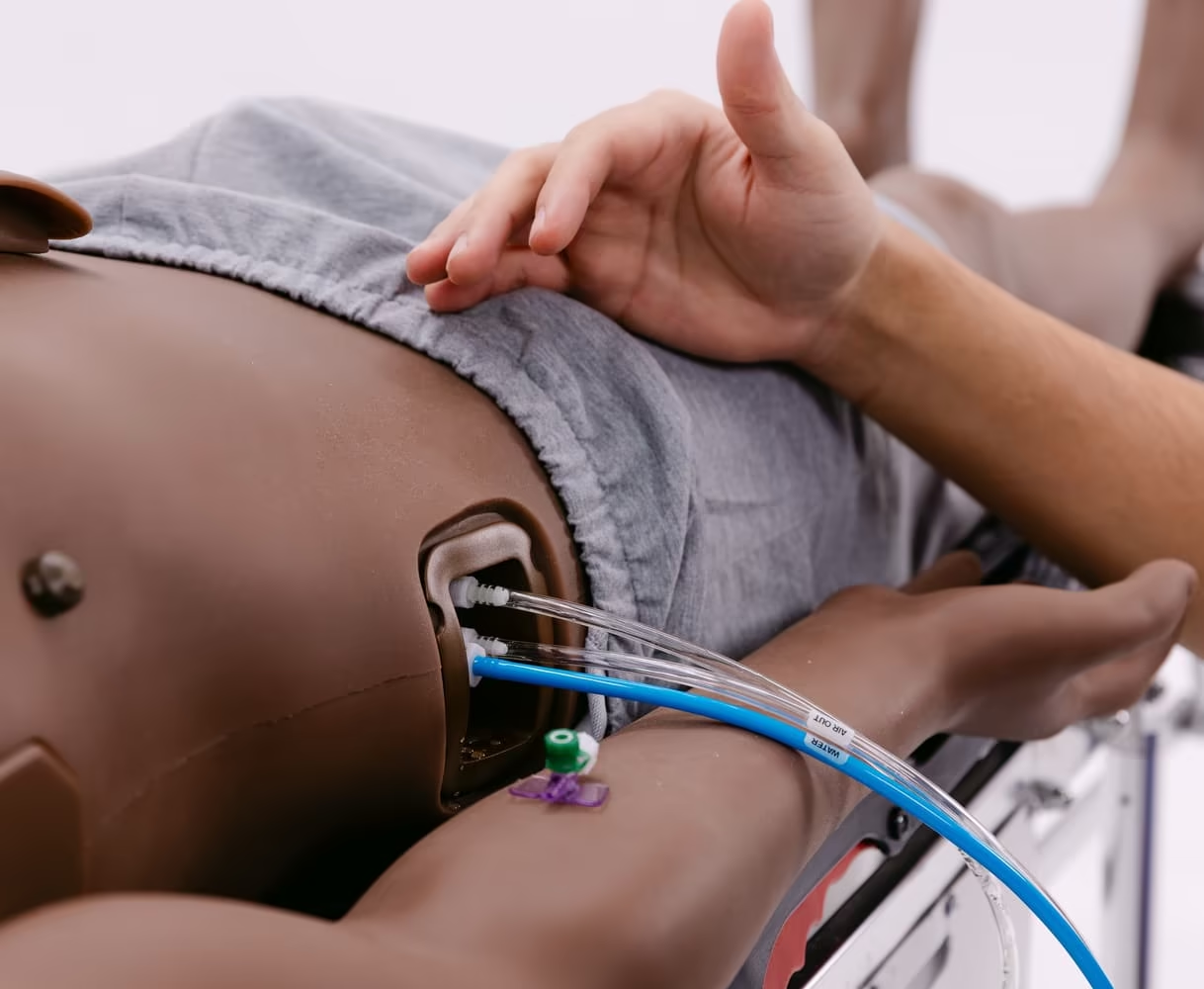
The genuine impact of simulation on clinical outcomes is best observed in the critical first minutes of a medical emergency. When a patient crashes, there is absolutely no time to consult a textbook. The response must be instantaneous and perfectly coordinated. This is where high-fidelity simulation systems like the Leonardo adult patient simulator and the Lisa adult female simulator become indispensable. These are not simple plastic dummies. They are highly advanced engineering marvels that simulate physiological reactions.
Leonardo and Lisa feature responsive vital signs and strict anatomical accuracy. If a trainee administers the wrong medication, the simulation software reacts in real-time. The manikin's physiological state deteriorates exactly as a human's would. This immediate feedback loop allows medical professionals to witness the direct consequences of their clinical decisions. By repeatedly navigating these high-stress scenarios in a completely safe environment, doctors and nurses drastically reduce the likelihood of making fatal errors.
We constantly hear from educators about the unmatched realism of these platforms. For example, respiratory therapy departments use Leonardo for complex lung compliance and resistance disease scenarios. Instructors note that his realism is simply unmatched by older platforms. By gathering exact data during a simulation, educators can pinpoint precisely where a student struggles with ventilator management or rapid shallow breathing indexes.
Do the medical simulation benefits statistics tell the whole story?
Administrators and hospital directors frequently rely on hard data to justify budget allocations. When they analyze the medical simulation benefits statistics, the return on investment is incredibly clear. Facilities that implement rigorous, mandatory simulation drills consistently report better preparedness. But these statistics only represent the surface-level advantages. Behind every single positive data point is a clinical team that has successfully utilized specialized tools to build genuine confidence.
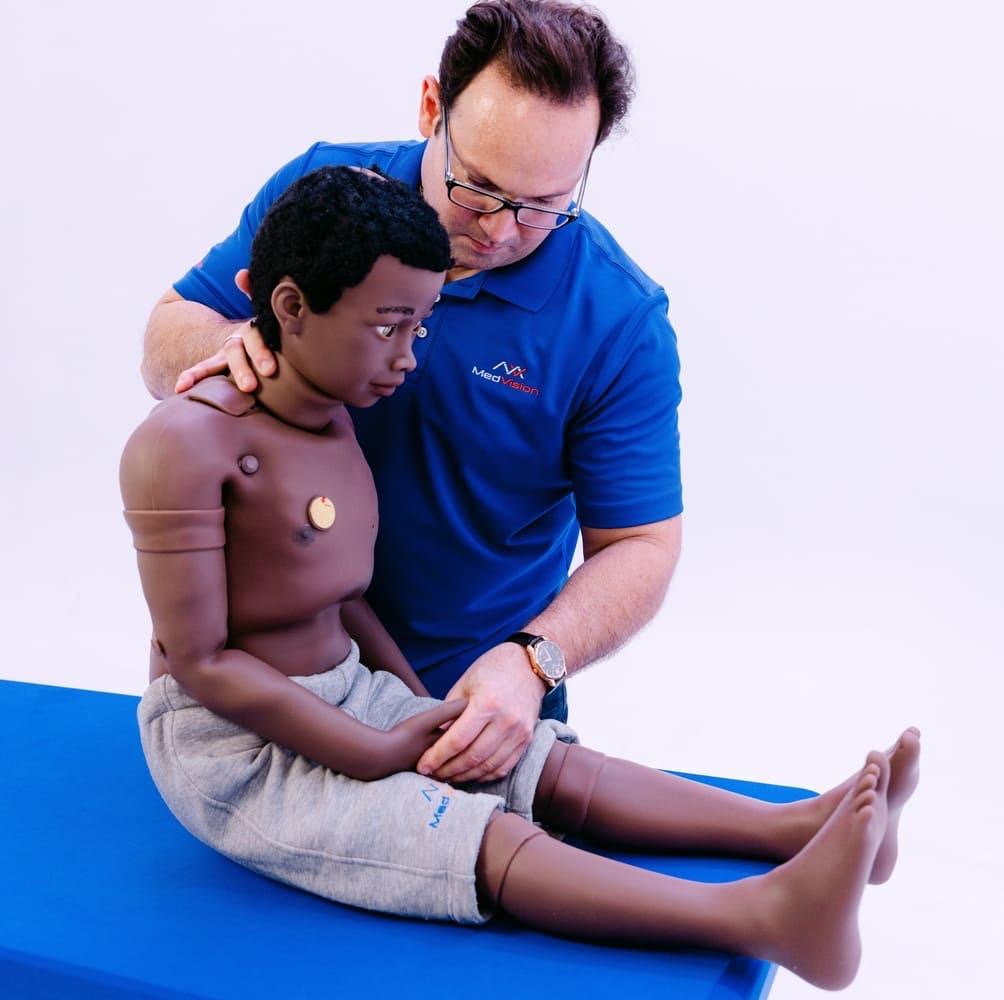
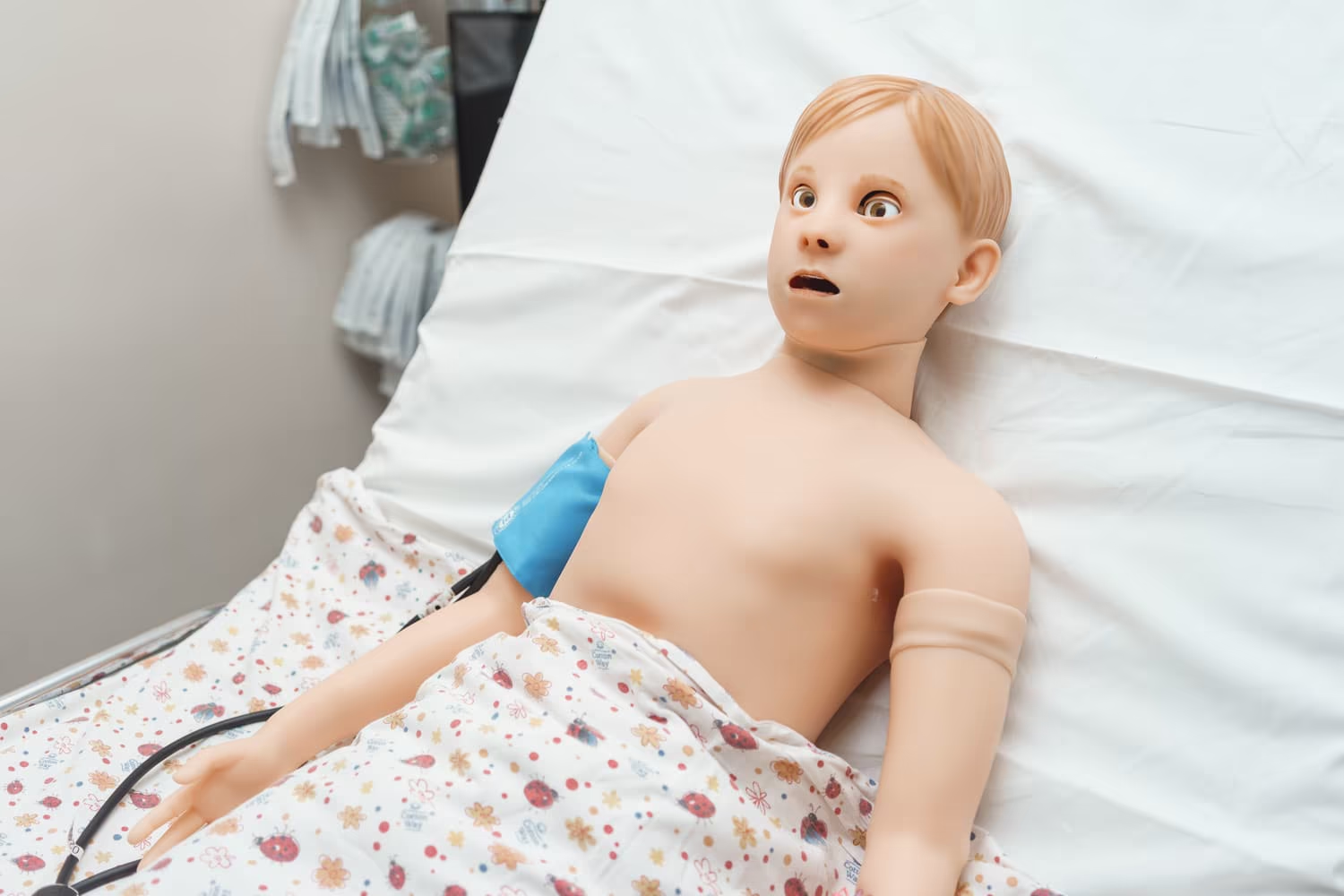
Consider the delicate field of pediatric and neonatal care. The margin for error here is practically zero. By utilizing the Arthur pediatric patient simulator or the Mia infant patient simulator, nursing staff can safely rehearse complex intubations, CPR, and critical care protocols on anatomically accurate infant and child models. This targeted simulation builds emotional resilience and technical precision that pure theoretical research simply cannot provide to an overwhelmed medical resident.
Instructors from major university hospitals frequently praise the diversity and realism of these infant models. They highlight how Mia is used extensively for pediatric resident and fellowship programs. When a healthcare professional trains on a lifelike infant simulator, they develop a profound sense of urgency and care. This intense, hands-on preparation ensures that when a real pediatric emergency strikes, the medical team acts with practiced, synchronized precision.
The financial reality of simulation training outcomes healthcare
Operating a modern medical facility is an incredibly expensive endeavor. Liability claims, prolonged operating room times, and preventable medical errors can cripple a hospital's financial stability. When evaluating the broader simulation training outcomes healthcare, risk management is a massive factor. A well-prepared surgical team makes fewer mistakes. This directly translates to better operational efficiency and significantly shorter patient recovery times across the entire clinical spectrum.
This is exactly where specialized surgical simulation platforms come into play. MedVision offers an extensive suite of advanced systems for practicing surgical techniques. We are talking about LapVision for laparoscopy, AngioVision for angiography, and HystVision for hysteroscopy and urology. Surgeons can utilize these highly sophisticated systems to familiarize themselves with complex internal anatomies before ever making a live incision.
By integrating tactile feedback and advanced hardware, this simulation training reduces the time spent struggling inside the actual operating room. This drastically cuts down overhead costs while maximizing overall surgical efficiency. Medical students and experienced surgeons alike use these surgery training simulators to refine their motor functions. It is a completely risk-free environment where dropping an instrument or misidentifying a vessel carries zero catastrophic consequences.
Why Patient Safety is the Ultimate Metric
Ultimately, when we consider why hospitals use simulation training, the answer extends far beyond just financial efficiency or individual technical proficiency. The fundamental mission of any healthcare facility is to protect human life and minimize preventable harm. By analyzing long-term simulation training outcomes patient safety is consistently shown to improve across all clinical departments. Medical professionals who train in these immersive, high-fidelity environments make fewer medication errors, communicate more effectively during critical events, and adhere strictly to established care protocols, ensuring that every patient receives the highest possible standard of care.
References
- Aggarwal, R., Mytton, O. T., Derbrew, M., Hananel, D., Heydenburg, M., Issenberg, B., ... & Darzi, A. (2010). Training and simulation for patient safety. Quality and Safety in Health Care, 19(Suppl 2), i34-i43.
- Gaba, D. M. (2004). The future vision of simulation in health care. Quality and Safety in Health Care, 13(suppl 1), i2-i10.
- McGaghie, W. C., Issenberg, S. B., Petrusa, E. R., & Scalese, R. J. (2010). A critical review of simulation-based medical education research: 2003–2009. Medical Education, 44(1), 50-63.
- Ziv, A., Ben-David, S., & Ziv, M. (2005). Simulation based medical education: an opportunity to learn from errors. Medical Teacher, 27(3), 193-199.
- Lateef, F. (2010). Simulation-based learning: Just like the real thing. Journal of Emergencies, Trauma, and Shock, 3(4), 348-352.
FAQ
What is high-fidelity medical simulation?
High-fidelity medical simulation uses advanced manikins and software to reproduce realistic human physiology, clinical signs, and patient responses. These simulators provide interactive feedback, allowing healthcare professionals to make clinical decisions and immediately see the results of their actions during training without harming actual patients.
How realistic is a full code medical simulation?
It is extremely realistic and closely replicates real-life code blue and emergency scenarios. Advanced patient simulators can simulate cardiac arrest, respiratory failure, trauma, and other critical conditions with real-time physiological responses. Learners can perform CPR, airway management, defibrillation, and medication administration just as they would in a real clinical setting.
How are simulations used in healthcare education?
Medical simulation is widely used to train medical students, nurses, physicians, and clinical teams. It allows learners to practice clinical procedures, diagnostic skills, patient assessment, and emergency response in a safe, risk-free environment. This is commonly used in medical schools, nursing programs, and hospitals to drastically improve patient safety.
Immerse yourself in a demo to see how MedVision transforms traditional learning into an engaging, interactive experience
Subscribe for the latest news from MedVision.

Patient simulators, task trainers and anatomy tables for nursing schools, hospitals and EMS programs.
Not sure which one fits your program?
SimulatorsSimulators
Pediatric simulators
Other simulators
Anatomy solutions
Surgical simulators
Contact
Monday — Friday9:00 AM — 5:00 PM EST
14300 Carlson CircleTampa, Florida, 33626-3003, USA
W9 form (PDF)© 2026 MedVision. All rights reserved.