

Compare Medical Simulators: A Comprehensive Guide to Healthcare Simulation Technologies
The landscape of clinical education has undergone a revolutionary transformation over the past two decades. The traditional, century-old apprenticeship model - relying on the ethically questionable practice of learning on live humans - has been rightfully replaced by simulation-based methodologies. Today, educational institutions, hospital networks, and military organizations face a highly complex marketplace filled with advanced educational technologies. When decision-makers set out to compare medical simulators, they are not merely purchasing equipment; they are investing in patient safety, clinical competency, and institutional excellence.
Conducting a thorough medical simulator comparison is a critical administrative and pedagogical task. With the rapid advancement of artificial intelligence, high-fidelity robotics, and virtual reality, the sheer volume of available simulators can be overwhelming. This comprehensive guide provides a structured framework to evaluate, contrast, and select the optimal simulation modalities for your specific healthcare training requirements.
The Imperative for a Medical Simulator Comparison
Before acquiring new educational technology, an institution must define its clinical objectives. Why do we need to evaluate different simulators? The answer lies in the concept of "pedagogical alignment." A simulator is only as effective as its ability to meet a specific learning objective. Purchasing a multi-million-dollar, full-body physiological simulator to teach basic intravenous (IV) insertion is a profound misallocation of resources. Conversely, using a low-cost plastic arm to teach complex crisis resource management and team leadership is educationally ineffective.
When educators compare medical simulators, they must analyze the intersection of technical capability, educational value, and long-term return on investment (ROI). A robust simulation program requires a diverse fleet of simulators, each carefully selected through a rigorous medical simulator comparison process to address different stages of the learner’s journey.
Categorizing the Spectrum of Simulation Modalities
To effectively assess the market, one must understand the distinct categories of simulators currently utilized in clinical training. Each type of simulation offers unique advantages and inherent limitations.
1. Part-Task Trainers (Low to Mid-Fidelity Simulators)
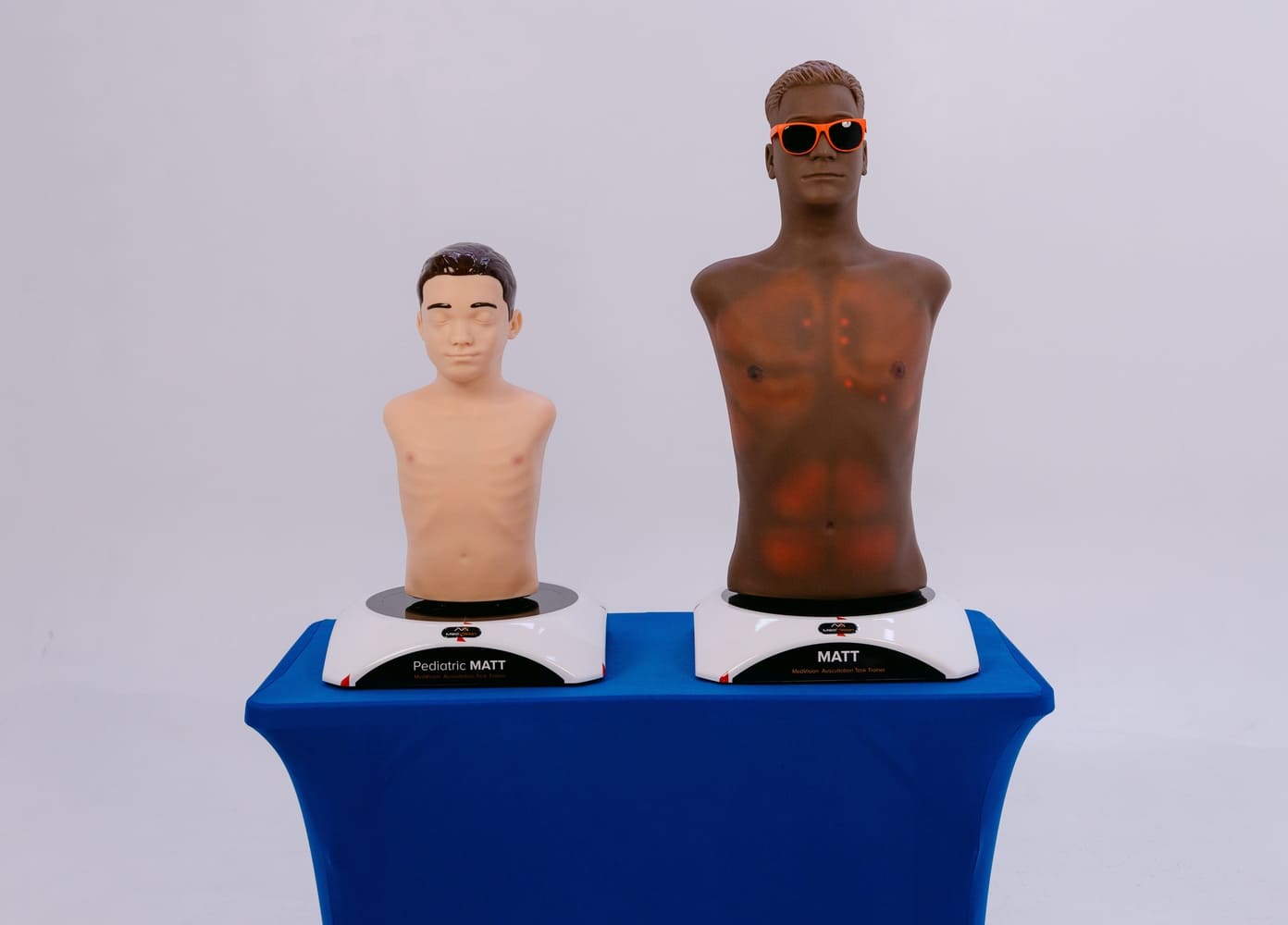
At the foundational level of simulation are part-task trainers. These are anatomical replicas of specific body parts designed to teach isolated psychomotor skills. Examples include suturing pads, airway management heads, central line insertion torsos, and pelvic simulators for catheterization.
When conducting a medical simulator comparison, part-task trainers score incredibly high on cost-effectiveness and durability. They allow for the repetitive practice necessary to build initial muscle memory. However, these stimulators lack systemic physiological responses; they cannot simulate a declining blood pressure or a sudden cardiac arrhythmia. Their role in simulation is vital but restricted strictly to fundamental mechanical training.
2. High-Fidelity Patient Simulators (Manikins)
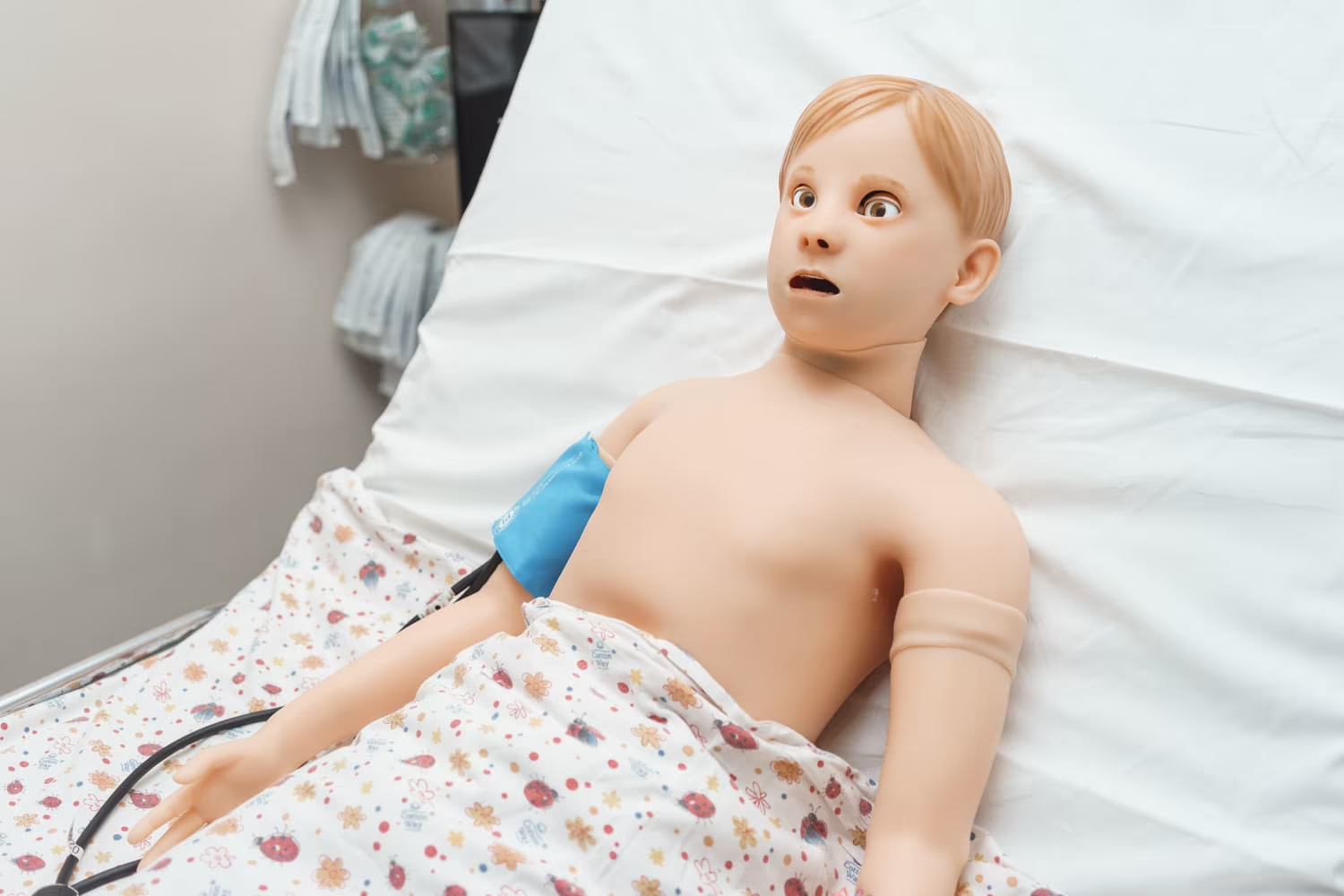
For decades, the high-fidelity manikin has been the flagship of the simulation center. These advanced robotic patient simulators represent a massive leap in technological capability. A modern high-fidelity simulator breathes, blinks, produces palpable pulses, and emits realistic heart, lung, and bowel sounds.
When administrators compare medical simulators for advanced life support or team dynamics, the manikin remains the gold standard. These simulators respond dynamically to interventions. If a learner administers epinephrine to the simulator, the internal software automatically adjusts the manikin's heart rate and blood pressure on the vital signs monitor. This level of simulation is critical for teaching complex pharmacology, critical care algorithms, and multidisciplinary team communication.
3. Virtual Reality (VR) and Screen-Based Simulation
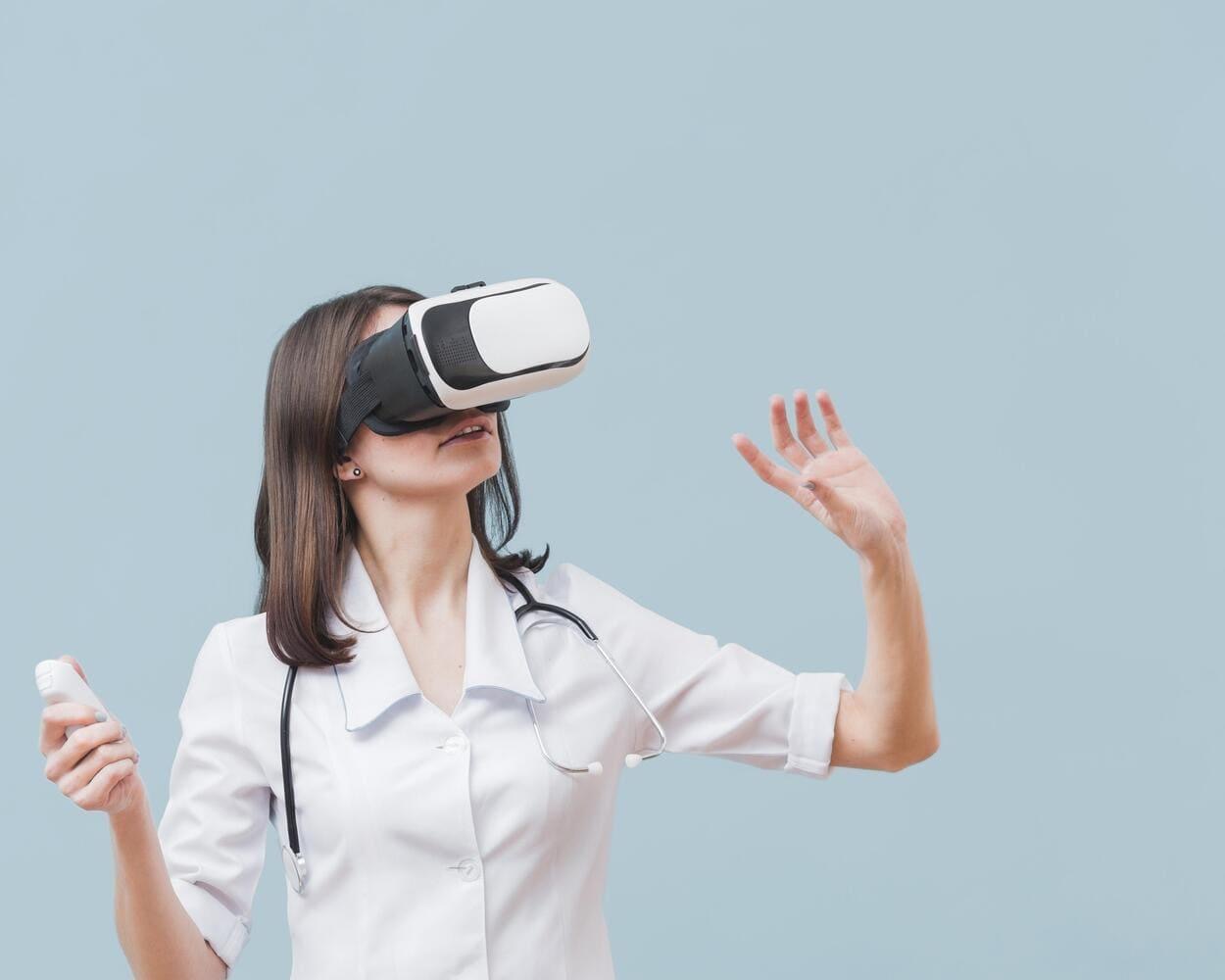
The most disruptive force in modern simulation is virtual reality (vr). Immersive VR simulators transport the learner into a fully rendered digital environment - be it a chaotic emergency room, an operating theater, or the back of a moving ambulance.
A medical simulator comparison between physical manikins and VR reveals distinct educational pathways. VR simulators excel at teaching cognitive workflows, spatial awareness, and rapid decision-making. Because the VR simulator requires no physical consumables (like artificial blood or synthetic skin) and no large physical lab space, it offers unparalleled scalability. Learners can access the simulation anytime, anywhere, dramatically increasing their total training hours. However, current VR simulators often lack the precise haptic (tactile) feedback required to master delicate surgical tissue handling.
4. Standardized Patients (SPs)
While not a mechanical simulator, the Standardized Patient is a crucial component of any comprehensive simulation program. SPs are highly trained human actors who simulate specific diseases, psychological states, or medical histories. When you compare medical simulators designed to teach empathy, bedside manner, and psychiatric evaluation, no robotic simulator or VR program can match the nuance of human interaction. The SP provides a unique form of human-to-human simulation that builds the critical interpersonal skills necessary for modern healthcare.
Key Metrics to Compare Medical Simulators
To conduct an objective medical simulator comparison, procurement committees should utilize a standardized set of evaluative metrics. Relying solely on the marketing materials provided by simulation companies is insufficient. Institutions must look deeper into the operational realities of the simulator.
Technological Reliability and Ecosystem Integration
A high-end simulator is a complex amalgamation of hardware and software. When evaluating simulators, one must ask: How seamlessly does the simulator integrate with our existing audio-visual debriefing systems? Can the simulation software export learner performance data into our learning management system (LMS)? The best simulators act as data-gathering tools, providing objective, metric-based analytics on learner performance. Furthermore, the reliability of the simulator is paramount. A simulation center cannot afford downtime. Evaluating the warranty, maintenance requirements, and customer support infrastructure of different companies is a vital step in the comparison process.
Psychological and Environmental Fidelity
Fidelity in simulation is often misunderstood as purely technological realism. However, a comprehensive medical simulator comparison must evaluate psychological fidelity - the degree to which the simulation makes the learner feel as though they are in a real clinical scenario. A VR simulator might have lower physical fidelity than a manikin, but if the VR simulation accurately reproduces the overwhelming audio and visual chaos of a mass casualty incident, its psychological fidelity is immensely high. The chosen simulator must induce the appropriate level of clinical stress to adequately prepare the learner for reality.
Total Cost of Ownership and ROI
The initial purchase price of a simulator is only a fraction of its total cost of ownership. When administrators compare medical simulators, they must account for the cost of replacement parts (skins, veins, fluids), the need for specialized technicians to operate the simulator, and the annual software licensing fees charged by simulation companies. A purely digital VR simulator might have a higher upfront software development cost but a vastly lower ongoing maintenance cost compared to a fleet of physical patient simulators.
Deep Dive: Manikin-Based Simulation vs. VR Simulation
The most common debate in modern healthcare education is the comparison between traditional manikin-based simulation and emerging VR simulators. A nuanced medical simulator comparison recognizes that these modalities are complementary, not mutually exclusive.

Manikin-Based Simulation:
- Strengths: Unparalleled physical realism for procedures like intubation, chest tube insertion, and CPR. Excellent for in-situ simulation (running a scenario in an actual hospital ward) to test hospital system workflows. Ideal for evaluating the physical teamwork of a trauma resuscitation team gathered around a single patient.
- Weaknesses: Extremely high operational costs. Requires a dedicated physical simulation lab, specialized operators, and extensive setup/teardown time. The simulator cannot easily be transported for remote learning.
VR Simulation:
- Strengths: Ultimate portability and scalability. Allows for infinite repetition of a simulation without consuming physical resources. Excellent for teaching rare, high-stakes scenarios (like a malignant hyperthermia crisis) that are difficult to stage physically. Provides highly objective, automated tracking of where the learner looked and what decisions they made.
- Weaknesses: Lacks the physical tactile resistance needed for deep tissue procedures. Cannot fully replicate the physical exertion of performing continuous chest compressions on a real patient.
The most advanced institutions do not force a choice between the two; they use a VR simulator for initial cognitive preparation and algorithmic training, and then graduate the learner to a high-fidelity manikin simulator for final physical psychomotor validation.
The Role of Industry Companies in Advancing Simulation
The rapid evolution of these technologies is heavily driven by private sector innovation. Several major companies dominate the global simulation market, pouring millions of dollars into research and development. When institutions compare medical simulators, they are also evaluating the vision and stability of these companies.
Leading simulation developers are currently focused on creating "hybrid" simulators - devices that blend physical tactile feedback with augmented reality overlays. Furthermore, these companies are heavily investing in artificial intelligence. The next generation of patient simulators will not require an instructor to manually drive the vital signs; instead, an AI-driven physiological engine will autonomously dictate how the simulator reacts to a specific drug dose based on real-world pharmacokinetic data. Partnering with forward-thinking companies ensures that an institution's simulation center remains at the cutting edge of clinical education.
Debriefing: The Heart of the Simulation Experience
It is crucial to state that a simulator, no matter how advanced, is merely a tool. The actual learning in healthcare simulation does not happen during the scenario itself; it happens during the debriefing.
When you compare medical simulators, you must evaluate how well the platform facilitates the debriefing process. Does the simulator software generate an automatic timeline of events, noting exactly when a medication was given or when the oxygen saturation dropped? The ability of a simulator to provide hard, objective data allows the instructor to lead a constructive, evidence-based discussion. A simulation without a proper debrief is just a high-tech game; it is the guided reflection upon the simulation experience that permanently alters clinical behavior and improves patient outcomes.
Exploring Specialized Simulation Niches
When administrators compare medical simulators, they often discover that generalized full-body manikins cannot adequately address the complexities of highly specialized medical fields. Consequently, simulation companies have developed niche simulators tailored to specific disciplines, ensuring that every branch of healthcare receives targeted, high-quality training.

Obstetrical and Neonatal Simulators
The labor and delivery ward is one of the most unpredictable environments in healthcare. When conducting a medical simulator comparison for obstetrics, institutions look for platforms that can replicate the mechanics of childbirth, including complications like shoulder dystocia, breech presentation, and postpartum hemorrhage. A dedicated obstetrical manikin is a marvel of engineering. It physically demonstrates the cardinal movements of labor, allowing the training team to practice precise physical maneuvers to safely deliver the infant. Furthermore, this simulator is usually paired with a neonatal simulator - a tiny, highly complex manikin that allows pediatric teams to immediately practice neonatal resuscitation protocols, such as intubation and umbilical line placement, the moment the simulated birth occurs. This continuous, multi-patient simulation is crucial for developing seamless inter-departmental communication.
Establishing a Standardized Evaluation Framework
Because the financial investment in a new simulator is so significant, institutions cannot rely on ad-hoc purchasing decisions. Establishing a formalized framework to compare medical simulators is a mandatory administrative practice. A robust medical simulator comparison framework should evaluate the technology across four distinct domains:
- Educational Validity: Does the simulator actually teach what it claims to teach? Administrators must look for peer-reviewed evidence. Have independent academic institutions published studies validating that training on this specific simulator translates to improved clinical performance on a live patient? If the simulation lacks construct validity (the ability to differentiate between a novice and an expert), it is merely an expensive toy.
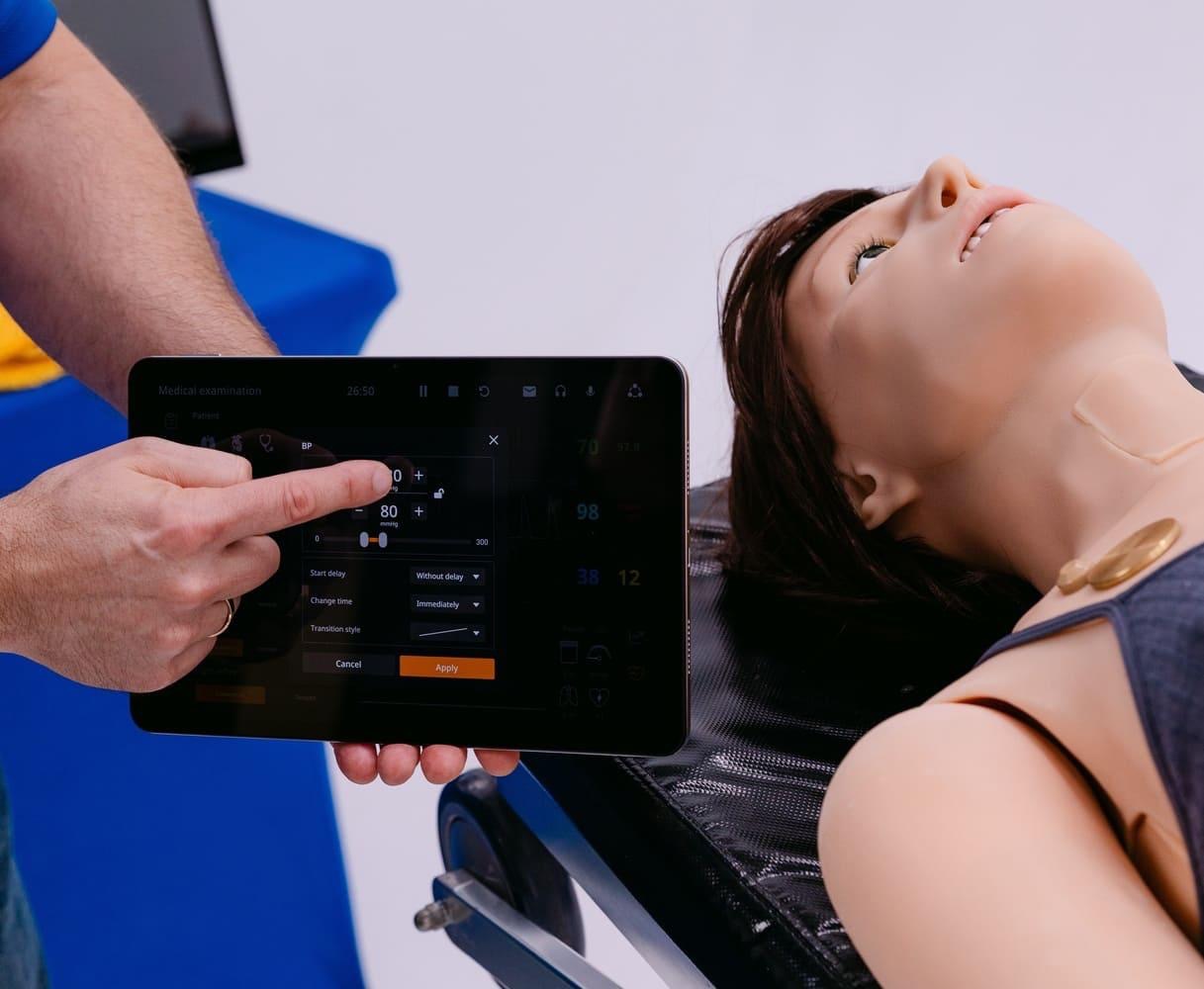
- Usability and Interface: A simulator that is too complicated to operate will sit unused in a closet. When evaluating different companies, consider the software interface. How easy is it for an instructor to build a custom scenario on the fly? Can the software easily transition the patient's state from stable to critical with a single click? A user-friendly simulation platform empowers educators to focus on teaching rather than fighting with the technology.
- Infrastructure and Logistics: A massive, tethered high-fidelity manikin requires dedicated air compressors, fluid tanks, and complex wiring. If your institution prioritizes in-situ training (running scenarios in the actual hospital wards), then portability is key. In this case, a medical simulator comparison might favor a wireless, untethered simulator or a fully portable VR headset system that can be easily transported across the healthcare campus.
- Data Analytics and Exportability: The future of healthcare training is data-driven. The most advanced simulators generate thousands of data points during a single session. However, this data is useless if it remains trapped within the simulator. The chosen platform must be able to seamlessly export performance metrics, video feeds, and vital sign logs into the institution's central Learning Management System (LMS). This allows for longitudinal tracking of a learner's progress over their entire academic career, proving the ultimate value of the simulation program.
Conclusion: Designing a Comprehensive Simulation Ecosystem
In the high-stakes world of modern medicine, hoping that a practitioner will simply "figure it out" on a live human is ethically and legally indefensible. To compare medical simulators is to build the architecture of a safer healthcare system.
There is no single "perfect" simulator. A robust medical simulator comparison will consistently reveal that different educational goals demand different simulation modalities. By investing in a balanced ecosystem - utilizing part-task trainers for initial skill acquisition, VR simulators for cognitive repetition, and high-fidelity manikin simulators for complex team dynamics - institutions create an unbroken chain of clinical competency. Ultimately, the goal of any simulation program is singular: to ensure that when the practitioner finally steps away from the simulator and approaches a real patient, they are equipped with the unwavering confidence and skill required to save a life.
References
- Gaba, D. M. (2004). The future vision of simulation in health care. Quality and Safety in Health Care, 13(suppl 1), i2-i10.
- Issenberg, S. B., McGaghie, W. C., Petrusa, E. R., Lee Gordon, D., & Scalese, R. J. (2005). Features and uses of high-fidelity medical simulations that lead to effective learning: a BEME systematic review. Medical Teacher, 27(1), 10-28.
- Cook, D. A., Hatala, R., Brydges, R., Zendejas, B., Szostek, J. H., Wang, A. T., ... & Hamstra, S. J. (2011). Technology-enhanced simulation for health professions education: a systematic review and meta-analysis. JAMA, 306(9), 978-988.
- Ziv, A., Ben-David, S., & Ziv, M. (2005). Simulation based medical education: an opportunity to learn from errors. Medical Teacher, 27(3), 193-199.
- Kyaw, B. M., Posadzki, P., Paddock, S., Batool-Anwar, S., Campbell, J. V., & Tudor Car, L. (2019). Effectiveness of Virtual Reality for Health Professions Education: Systematic Review and Meta-Analysis by the Digital Health Education Collaboration. Journal of Medical Internet Research, 21(1), e12959.
FAQ
Why is it important to compare medical simulators before purchasing?
Institutions must compare medical simulators to ensure pedagogical alignment. Buying the most expensive simulator is useless if it does not address the specific clinical training needs of your students. A thorough medical simulator comparison ensures maximum return on investment and educational efficiency.
What is the main difference between a manikin and a VR simulator?
A high-fidelity manikin is a physical, robotic patient that provides excellent tactile feedback and is ideal for physical team-based training. A vr simulator is a fully digital environment that excels in cognitive training, scalability, and repetitive practice without the need for physical consumable materials.
Can a low-fidelity simulator be as effective as a high-fidelity one?
Yes, depending on the goal. If the objective is to teach the basic motor skills of suturing, a low-fidelity foam pad simulator is actually more effective and practical than a complex, full-body physiological simulator.
How do simulation companies impact the future of healthcare training?
Private companies drive innovation by investing in AI, haptic technology, and advanced software analytics. By developing smarter, more responsive simulators, these companies help institutions elevate their training standards and ultimately improve global healthcare outcomes.
Immerse yourself in a demo to see how MedVision transforms traditional learning into an engaging, interactive experience
Subscribe for the latest news from MedVision.

Patient simulators, task trainers and anatomy tables for nursing schools, hospitals and EMS programs.
Not sure which one fits your program?
SimulatorsSimulators
Pediatric simulators
Other simulators
Anatomy solutions
Surgical simulators
Contact
Monday — Friday9:00 AM — 5:00 PM EST
14300 Carlson CircleTampa, Florida, 33626-3003, USA
W9 form (PDF)© 2026 MedVision. All rights reserved.