
The remote OSCE is a digitally mediated format of the Objective Structured Clinical Examination in which students demonstrate clinical reasoning, communication, and procedural steps through virtual platforms rather than in-person stations. In its essence, a remote OSCE recreates the structured, station-based architecture of the traditional OSCE but distributes assessment across online environments, allowing evaluators to observe, score, and provide feedback without physical co-presence. Academic institutions cite this model as a pragmatic solution for scalability, continuity, and accessibility in clinical education.
At its core, the remote format addresses long-standing issues in assessment logistics: geographic limitations, lack of standardized environments, and the growing need for flexible testing infrastructures. By shifting to a remote OSCE, organizations can uphold rigorous competence evaluation while reducing dependence on physical simulation centers. This is particularly relevant for programs with dispersed cohorts or limited on-site resources.
How does a remote OSCE actually work?
A remote OSCE typically unfolds through integrated digital platforms that coordinate learners, examiners, standardized patients, timers, and scoring rubrics. Each participant enters a virtual station where performance is streamed, captured, and evaluated in real time. Timers ensure fidelity to OSCE pacing, while structured scoring sheets maintain objectivity. Many workflows resemble those documented in peer-reviewed publications cited by international education bodies, emphasizing reliability, transparency, and replicability.
Some institutions employ platforms similar in architecture to SimCapture, combining multi-camera recording, station sequencing, and synchronized scoring — yet each system adapts uniquely to local curricula. While technologies differ, the pedagogical intent remains constant: offering a valid and standardized method to assess clinical competence remotely.
Why do remote OSCE formats rise in popularity?
The expanding adoption of the remote OSCE reflects deeper transformations within clinical education. For many institutions, the traditional OSCE demands physical rooms, standardized patients, proctors, and costly infrastructures. A remote configuration dissolves these spatial constraints, enabling students from multiple locations to participate simultaneously. This flexibility reduces scheduling issues and allows faculty to reallocate resources toward instructional design rather than logistics.
Moreover, digital assessment environments elevate transparency. Recordings of each OSCE station—often stored through platforms inspired by systems like simcapture-style workflows—assist examiners in reviewing behaviors, calibrating scores, and training new evaluators. This archivability strengthens reliability, a feature frequently cited in pedagogical research on virtual assessments. For students, the ability to revisit their own recorded performances fosters reflective practice and a deeper understanding of clinical reasoning.

What competencies does a remote OSCE actually assess?
A structured remote OSCE evaluates the same core competencies as its on-site counterpart, albeit through adapted virtual interfaces. These competencies usually include:
- Communication with simulated patients and interprofessional partners
- Clinical reasoning and prioritization under time pressure
- Decision-making across unfolding scenarios
- Documentation accuracy within digital tools
- Professionalism and situational awareness
Although physical procedures are limited in a remote scenario, many programs complement the OSCE with separate skills sessions, allowing students to verify hands-on competence through simulation labs. Academic reviews frequently emphasize that cognitive and behavioral competencies translate exceptionally well into remote modalities, particularly when station scripts are tightly standardized.
FAQ: How Technology Shapes Modern Nursing Education
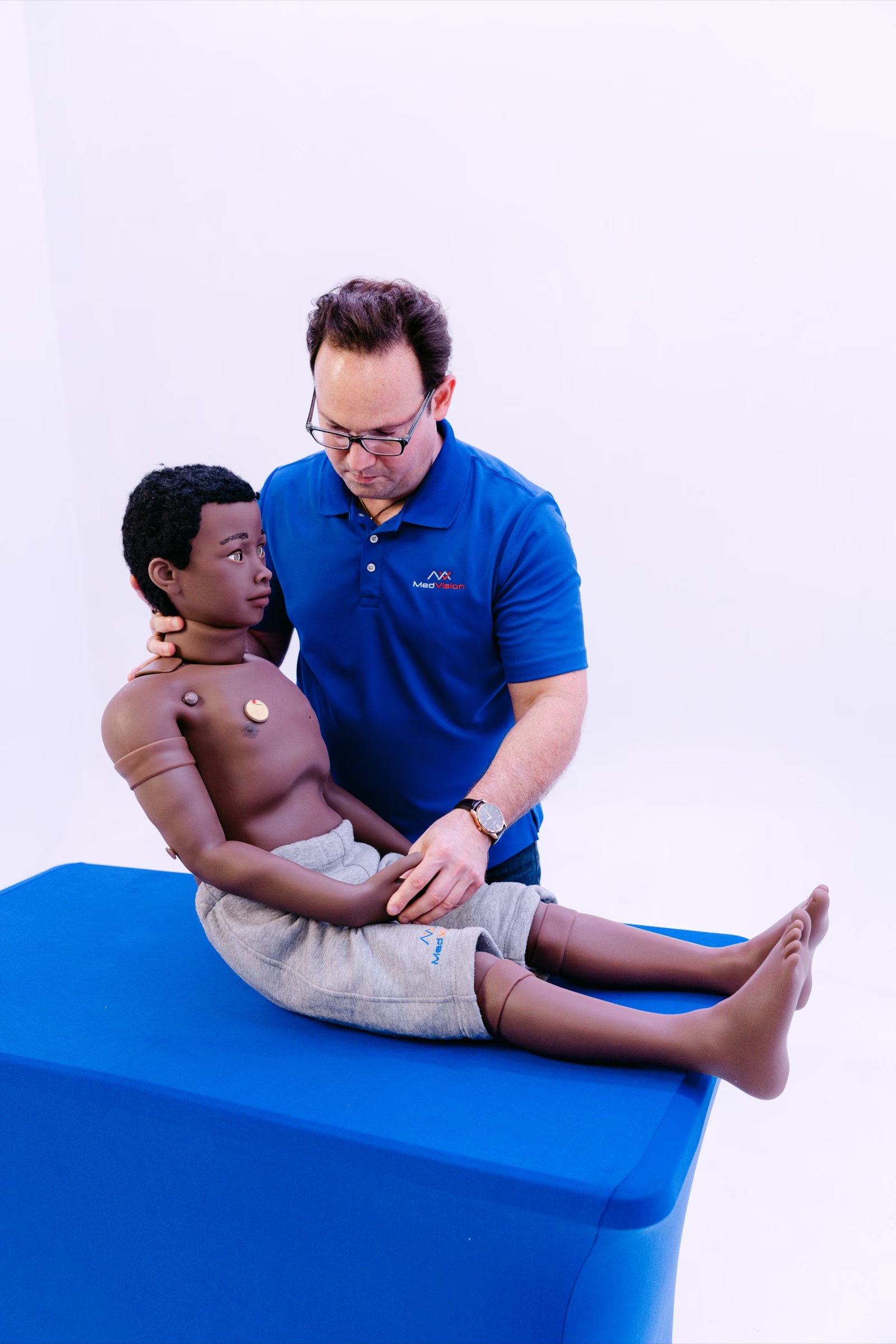
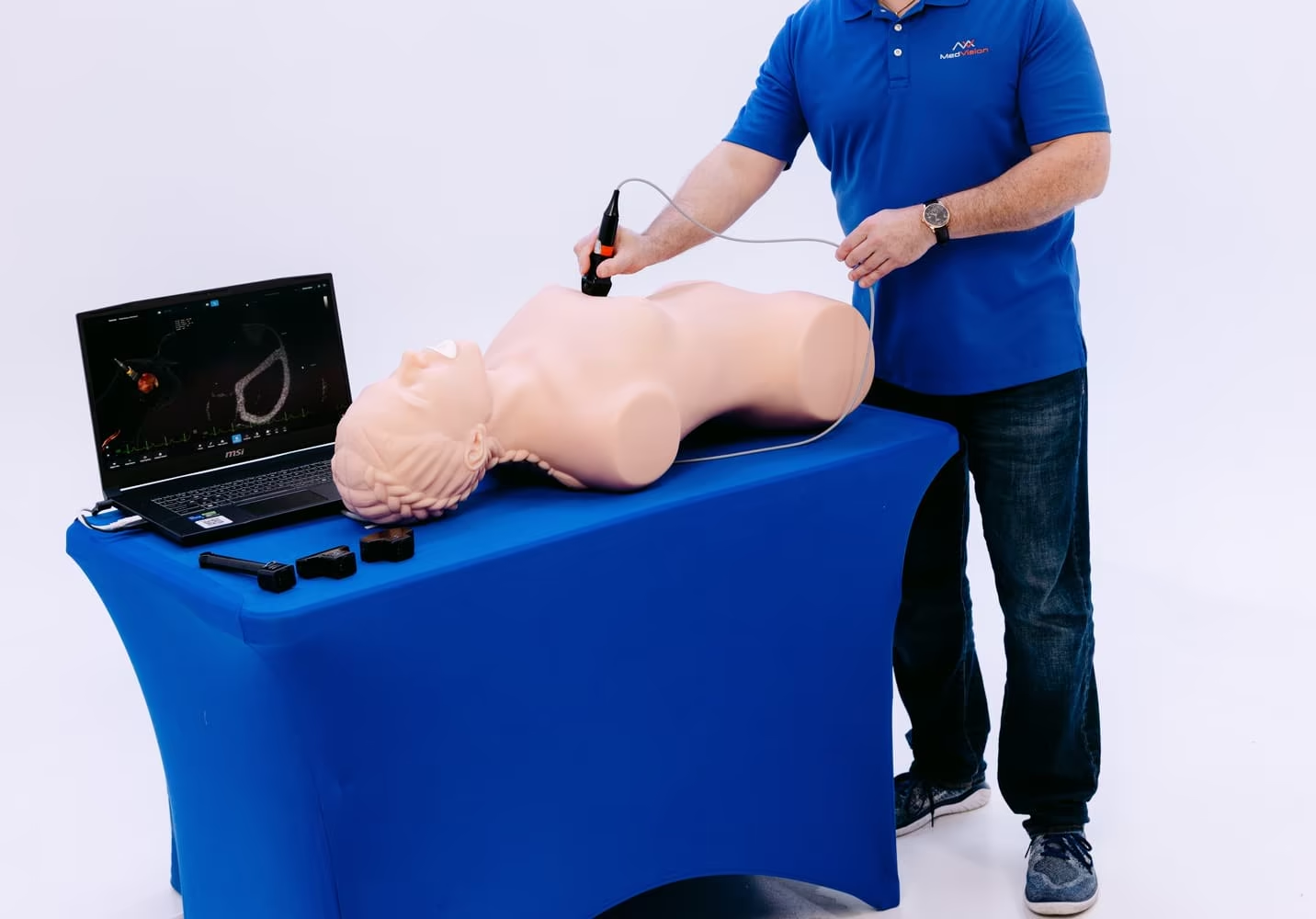
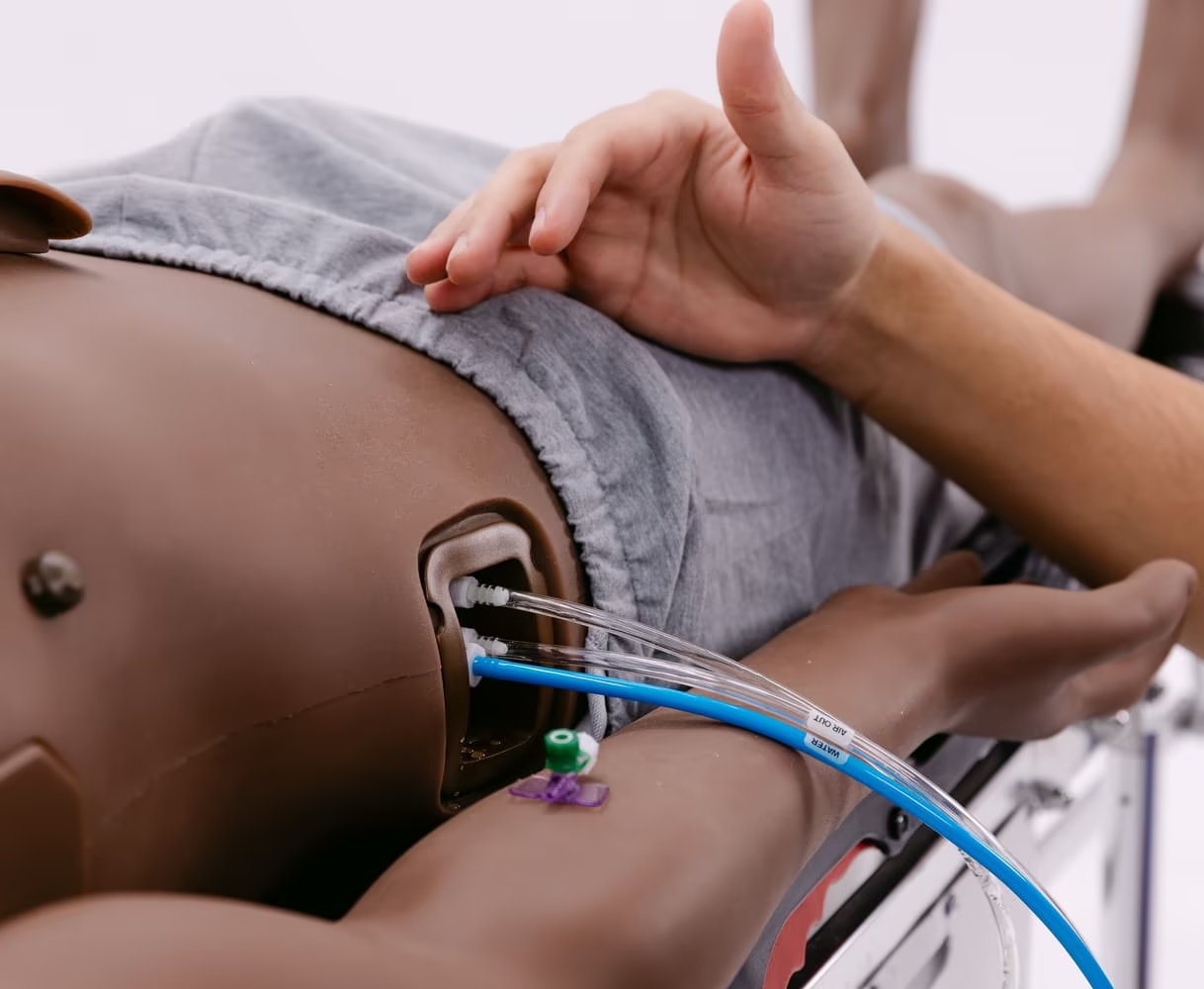
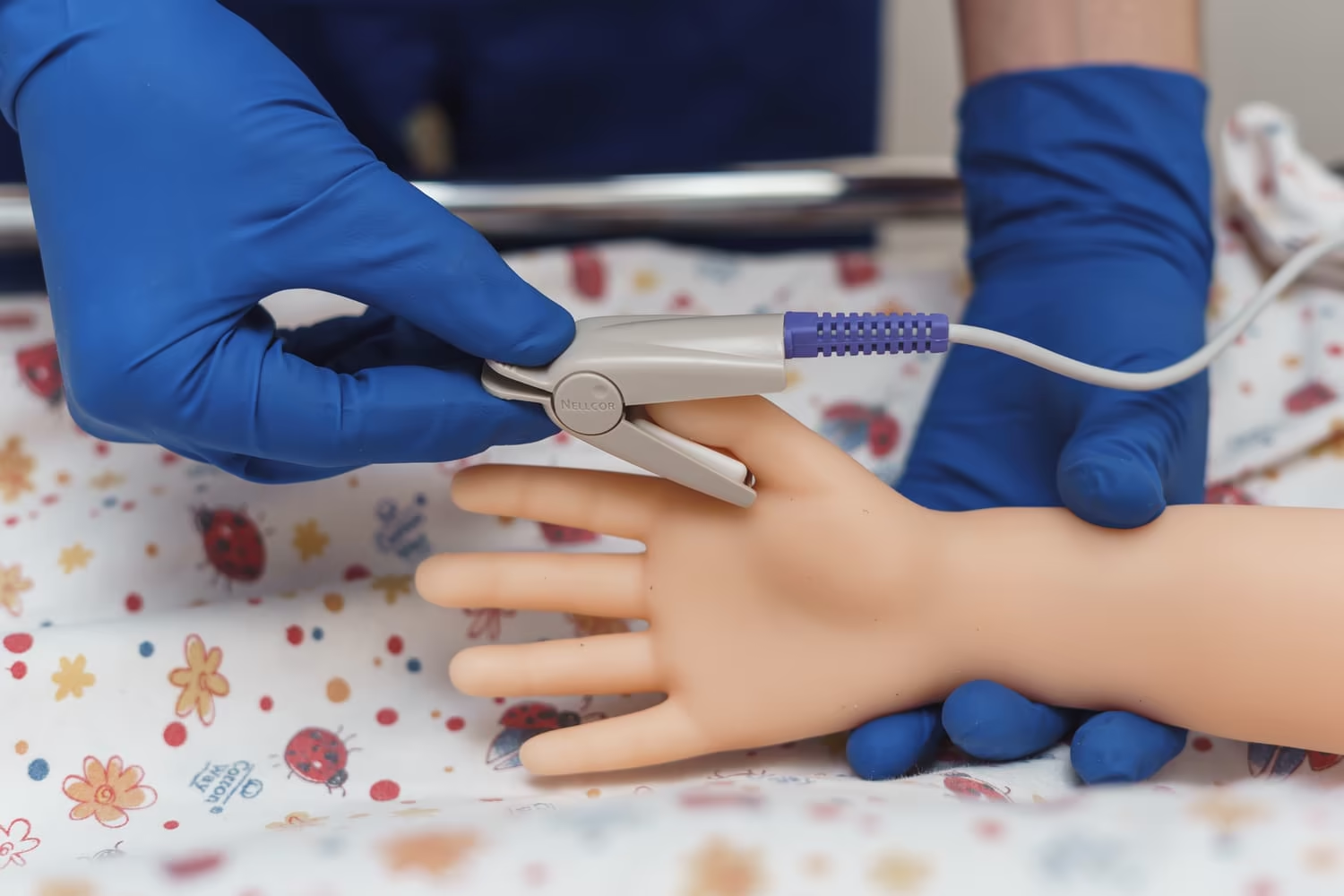
Advanced tools — from digital charting systems to simulation platforms — now sit at the core of everyday clinical routines. For nurses, this means that technical fluency is no longer optional; it’s a prerequisite for safe, efficient care. High-fidelity simulators like MedVision’s patient manikins and the SonoVision ultrasound trainer help bridge the gap between theory and real-world practice, allowing learners to experiment, repeat, and refine procedures without risk to patients.
MedVision’s simulators are designed to mimic the sensory and procedural complexity of clinical tasks while staying intuitive. For example, MATT (the multifunctional airway trainer) lets learners move from basic airway placement to more advanced scenarios in a controlled environment. The SonoVision platform demystifies ultrasound by guiding users through step-by-step scanning exercises. By practicing repeatedly with realistic feedback, students gain confidence long before they touch a clinical device.
Yes — and more effectively than many expect. MedVision’s manikins aren’t only about the “technical” side of care. High-fidelity anatomy responses, dynamic vital signs, and scenario-driven interactions encourage students to observe, speak, explain, and reassure — just as they would with a real patient. This blend of clinical and emotional practice strengthens a nurse’s ability to balance technology with humanity.
Absolutely. Because healthcare technology evolves rapidly, even seasoned professionals face new devices and updated protocols. MedVision’s solutions are built for continuous learning, offering institutions a safe environment for skill refreshers, onboarding, and specialty training — without disrupting clinical workflow.
Virtual demo
See it on a real simulator
A MedVision specialist shows the simulator live and answers your questions. Remote setup included · Online Training Included.
Request a virtual demo